
CNC Micromachining Guide: Techniques, Tools & Applications
For tools that are smaller than 0.1 mm, any small measurement mistake can destroy critical parts. CNC micromachining enables you to get an extremely precise part and complex features. This guide covers its techniques, tools, tolerances, materials, applications and challenges. You will also gain insight into assessing micro machining services and selecting the appropriate manufacturing partner.
What is CNC Micro Machining?
CNC micro machining is a subtractive manufacturing process that uses CNC to produce micron-sized features and parts. To imagine its scale, think of a human hair, which is about 70 microns wide. It requires tighter tolerances and specialised tooling and equipment than conventional CNC machining. Precision CNC micromachining encompasses micro milling, micro drilling, micro turning, EDM and laser processes. Micro CNC machining is suitable for aerospace, medical, and electronics applications that demand miniature, highly precise components.
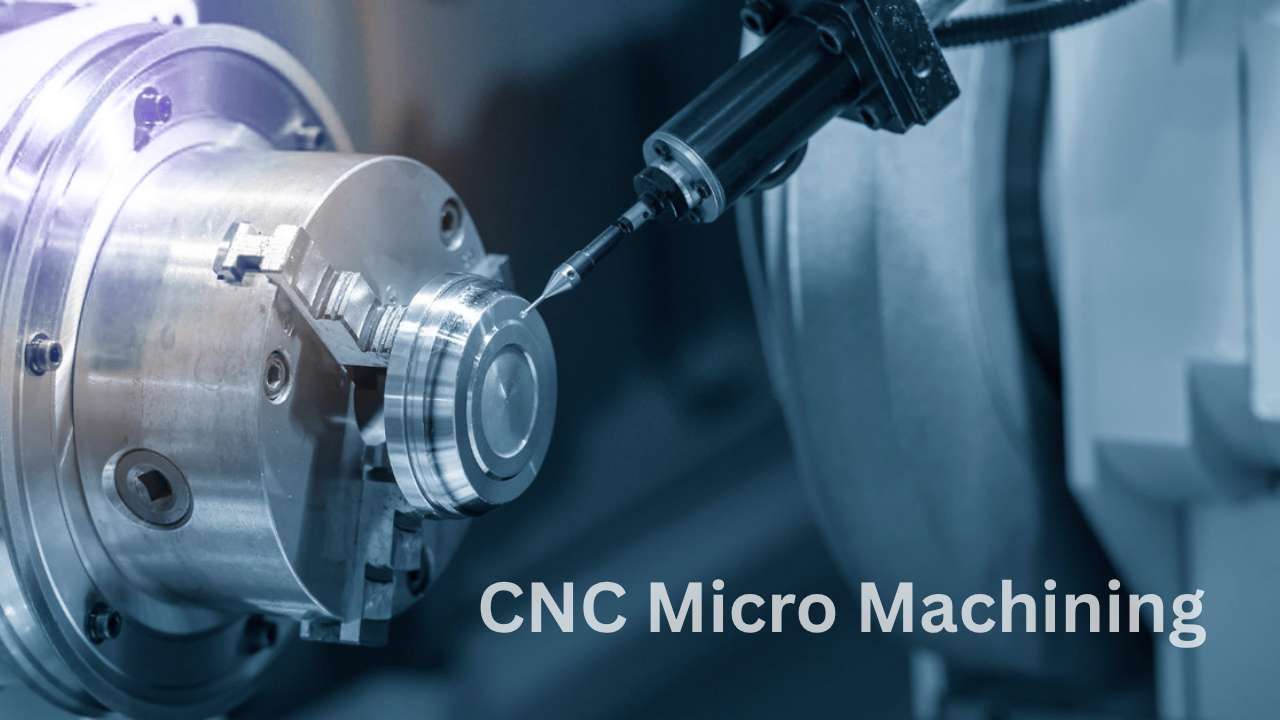
How Micro Machining Works: The Process Explained
The precise tooling, stable workholding, high spindle speeds, controlled cooling and strict tolerance management are required for micromachining CNC. Unlike traditional CNC, miniature features amplify vibration, heat, tool deflection and positioning errors. Here is how micromachining works from tool selection through final dimensional control.
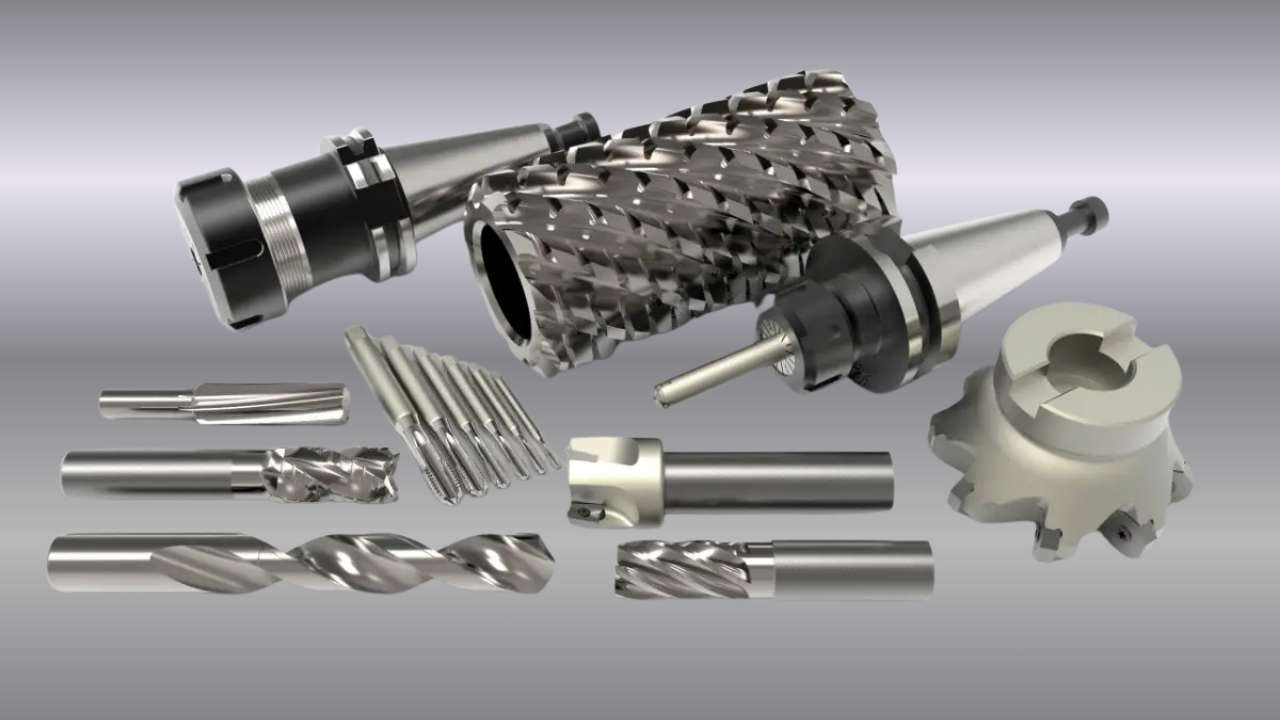
Tool Selection
The process of Micromachining starts with the use of ultra-fine end mills or drills depending on the material and geometry. The diameters of tools are usually smaller than 0.1- 0.4 mm. High rigidity and sharp cutting edges minimise deflection, vibration and tool breakage.
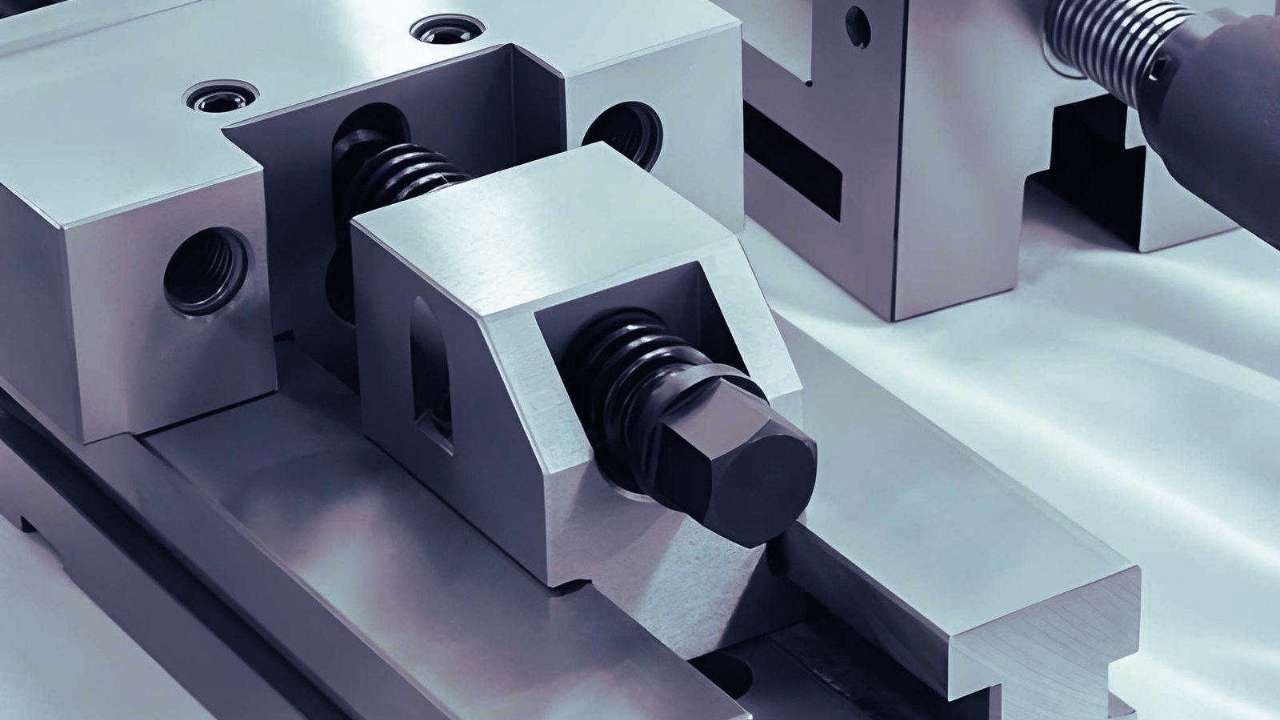
Workholding
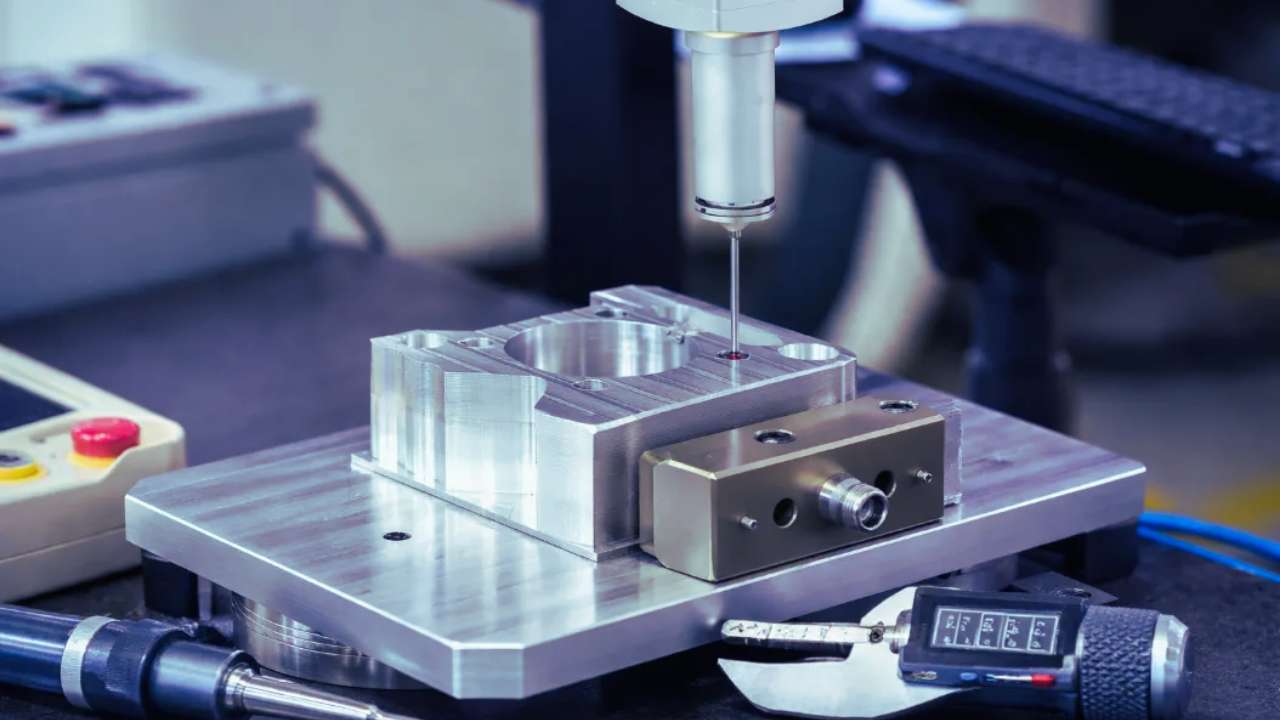
Workholding is a way of holding parts in place for cutting without compromising surfaces or blocking access to fine features. Precision vices, vacuum chucks and custom fixtures ensure stable positioning of small parts. Fixture accuracy is important because of the fact that any small error in positioning will impact finished feature dimensions.
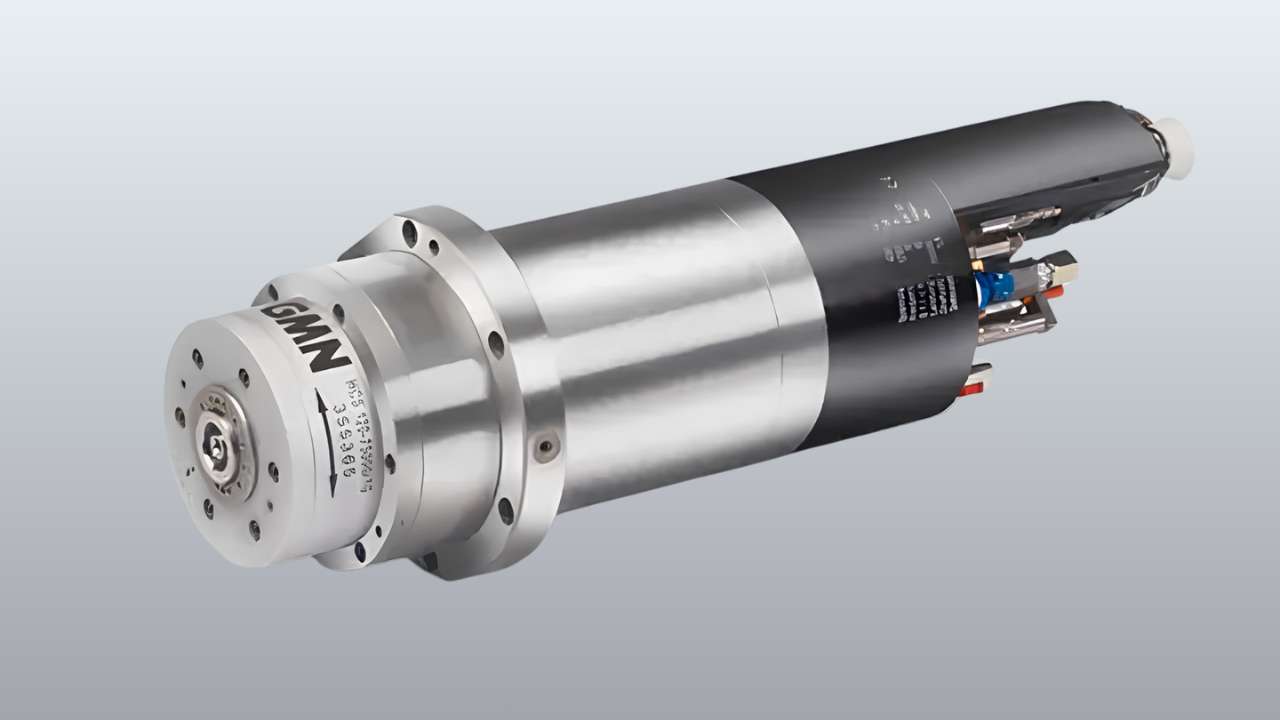
High-Speed Spindles
For efficient cutting with small diameter tools, high-speed spindles enable high-speed rotation. For challenging miniature features, micromachining systems run at 50,000 to 150,000 RPM. Air-bearing or hydrostatic spindles can provide low runout, below one to two micrometres.
Cooling and Lubrication
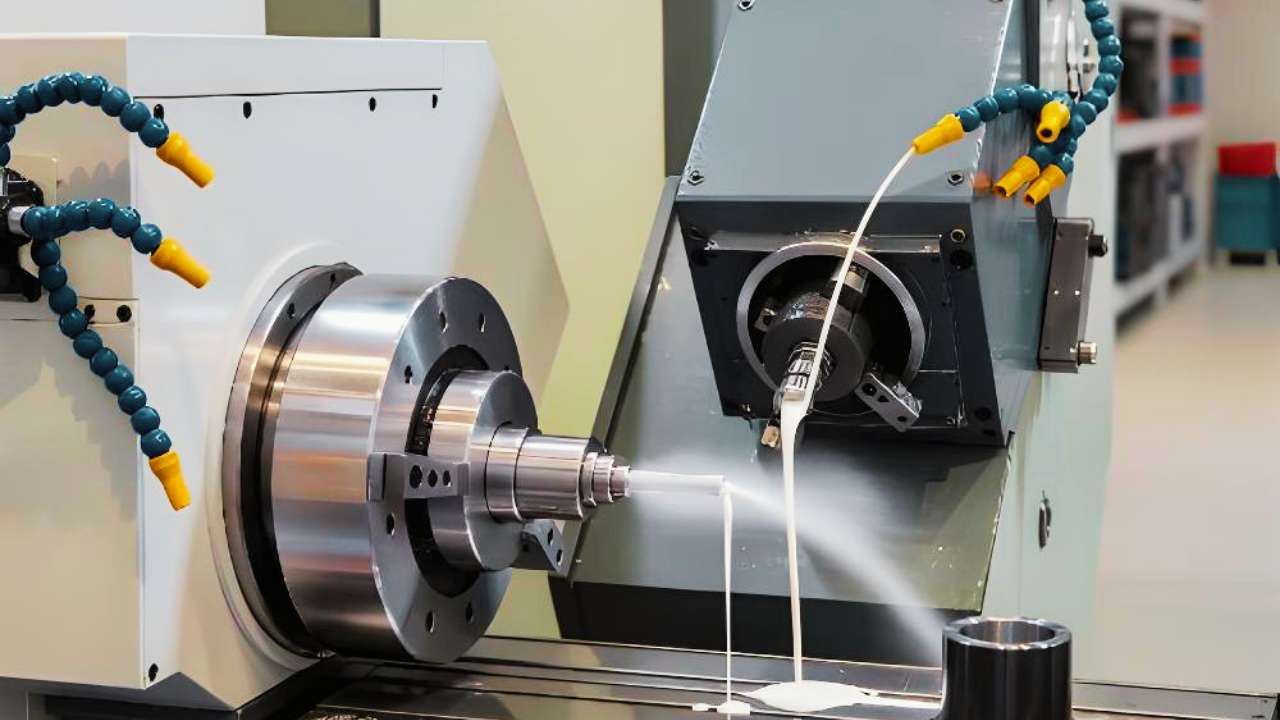
Cooling helps to control heat, and lubrication helps to minimise friction between the miniature tool and the workpiece during machining. Flood cooling can be avoided by using mist cooling, Minimum Quantity Lubrication and through-tool coolant. These techniques also enable effective control of chips, without swamping out of sensitive small cutting zones.
Tolerance Control
Stable machines, accurate tooling, controlled processes and measuring throughout machining are required for tolerance control. Under proper conditions and equipment, micromachining can be realised in the range of about ±1 to ±5 microns. Thermal expansion and dimensional consistency during precision operations are controlled by temperature-controlled environments.
Core Techniques Within Micro CNC Machining
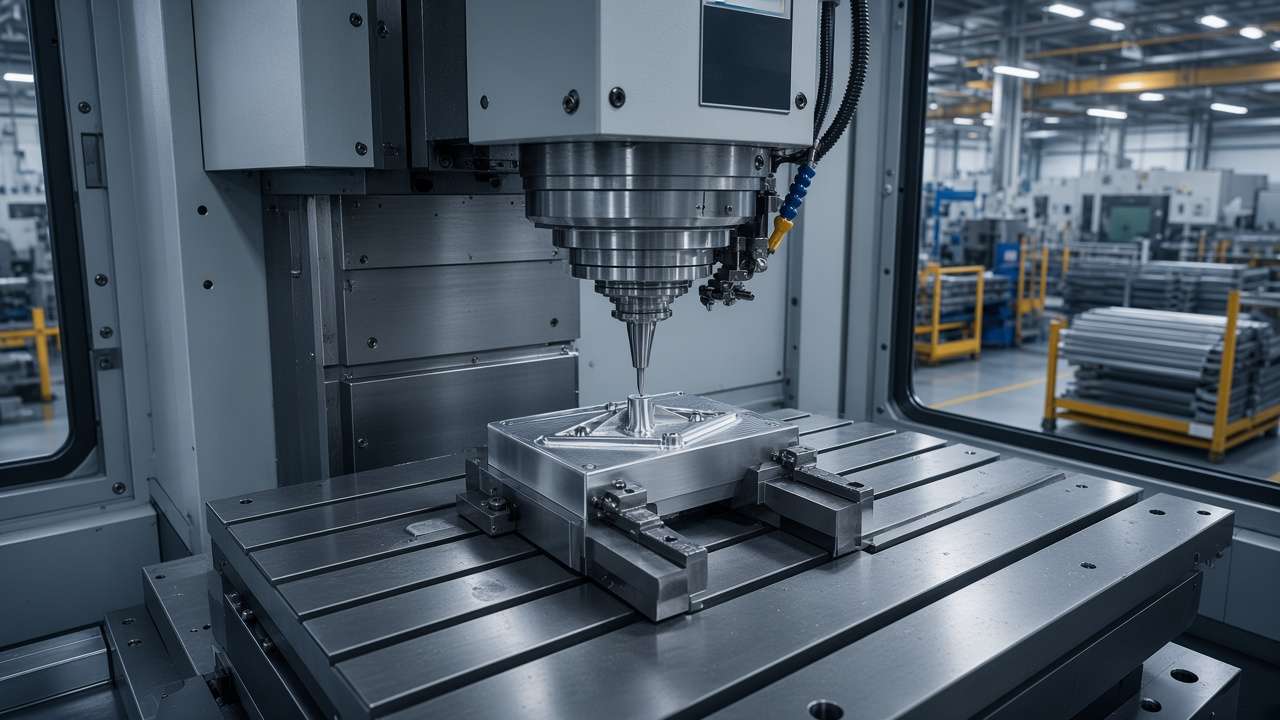
Micro Milling: Carbide or PCD end mills are used for pockets, slots, and 3D micro-contours. Use it for intricate details. It provides good accuracy on medium-volume production.
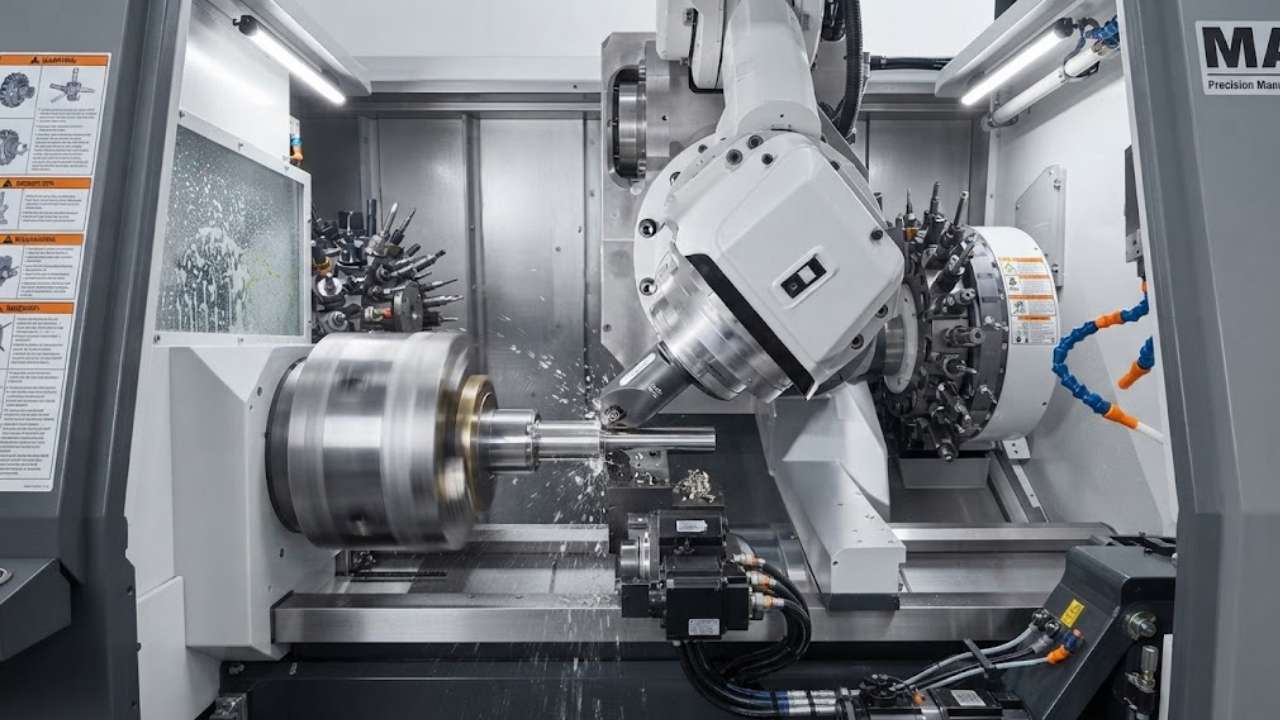
Micro turning: Micro turning is used for producing micro-shafts, micro-pins, medical screws, and cylindrical parts. Turning with Swiss-type technology is suitable for small diameters, complex geometries and production volumes. It is suitable for situations where repeatability is important in batches.
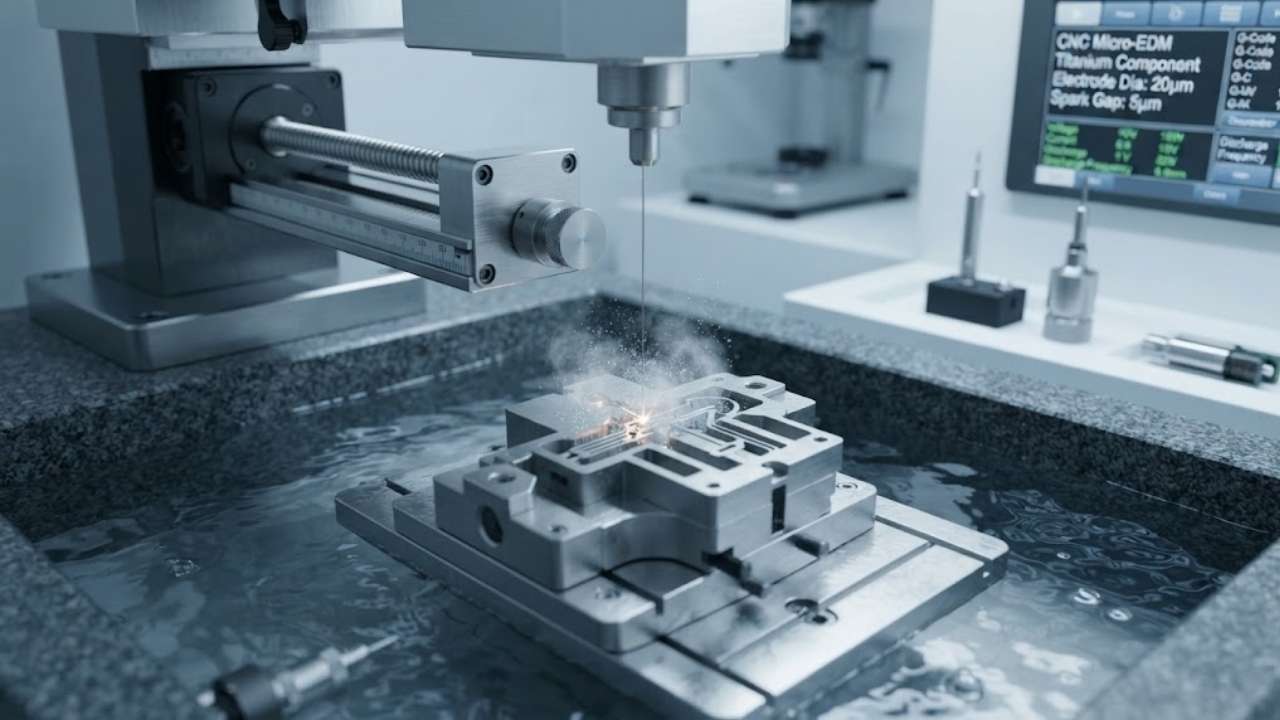
Micro-EDM: Micro-EDM forms hardened materials without cutting forces to fragile parts. Die sinking EDM creates sharp corners, and wire EDM cuts narrow profiles. It is suitable for holes with high aspect ratios.
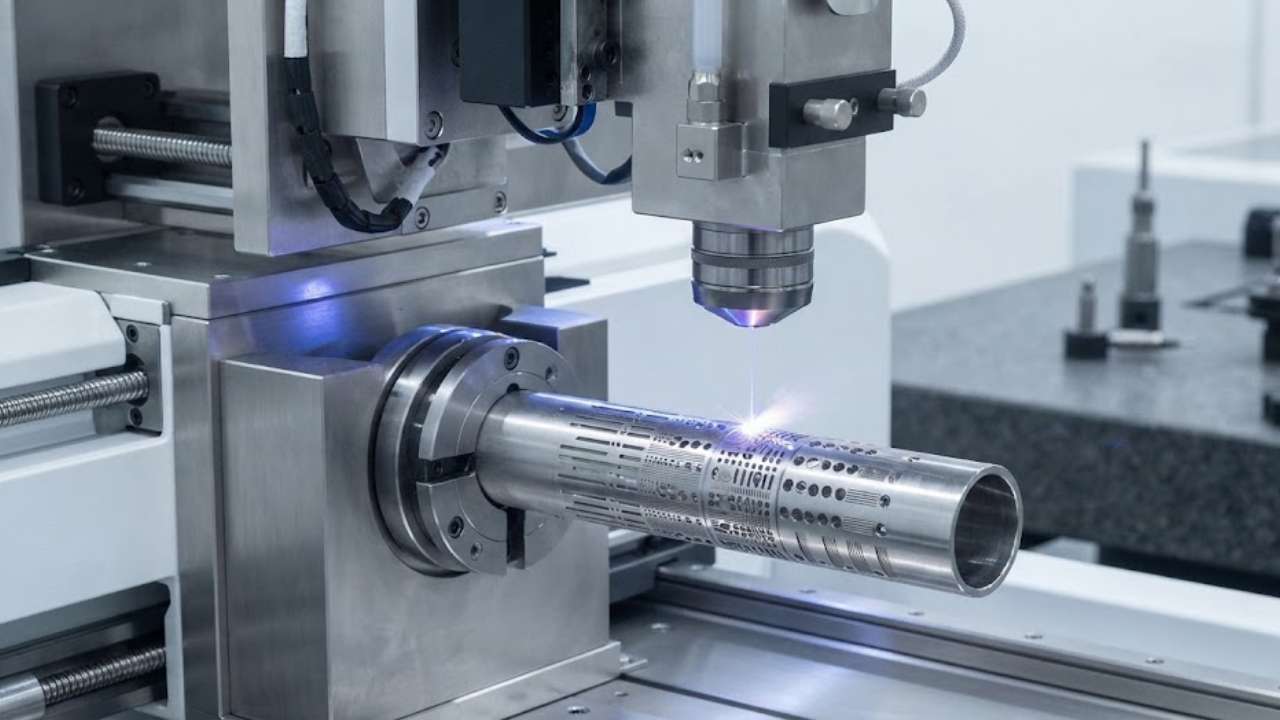
Laser micromachining: Laser micromachining is a non-contact and tool-free material removal process. It is suitable for cutting glass, ceramics and fragile vascular stents. Select it for quick prototyping and micro-precision machining.
Tools & Equipment Used in Small CNC Machining
Micro end mills & Micro drills
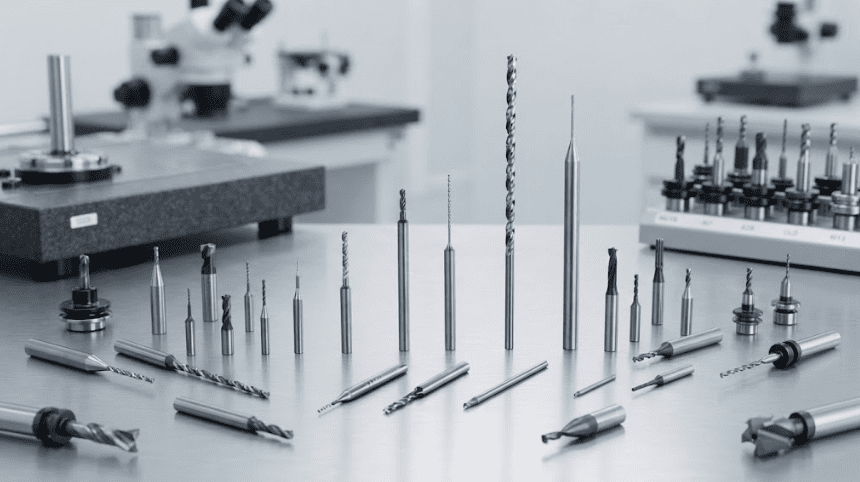
Micro end mills and drills for material removal are required to work with tiny features. Diameters less than 0.1mm can machine miniature slots, holes and details in features. They have small cutting edges that require controlled feeds, speeds, runout and tool handling.
Carbide tools
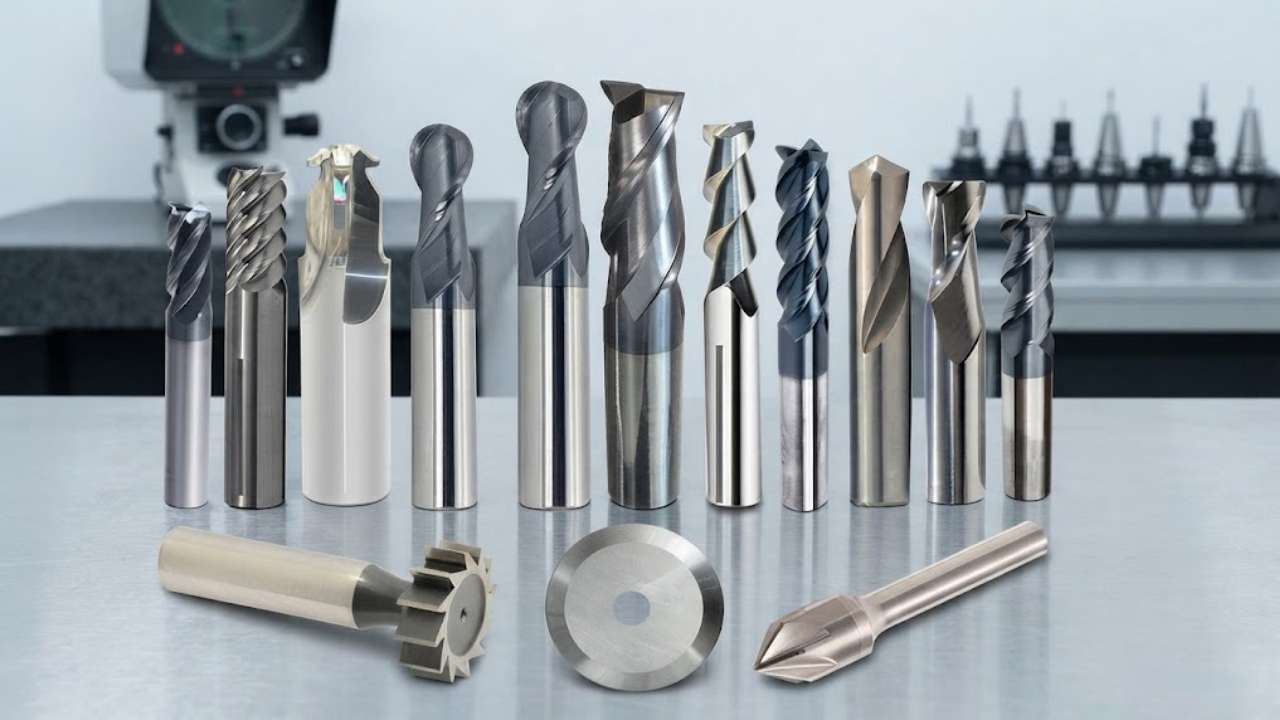
Hardness and rigidity for general-purpose micro cnc milling and turning are offered by carbide tooling. The hardness of typical carbides is in the range of 1500–2000 HV, with good cutting capacities at small dimensions. They are appropriate for a variety of metals and offer good resistance to wear under heavy machining conditions.
PCD tools
For finishing and abrasive materials, PCD tools are a hybrid of diamond particles and a carbide substrate. They can be as hard as 8,000 HV, and therefore can be used in ceramics and composites. They can be useful for ultra-fine finishes where abrasive wear on the finishing tool might occur.
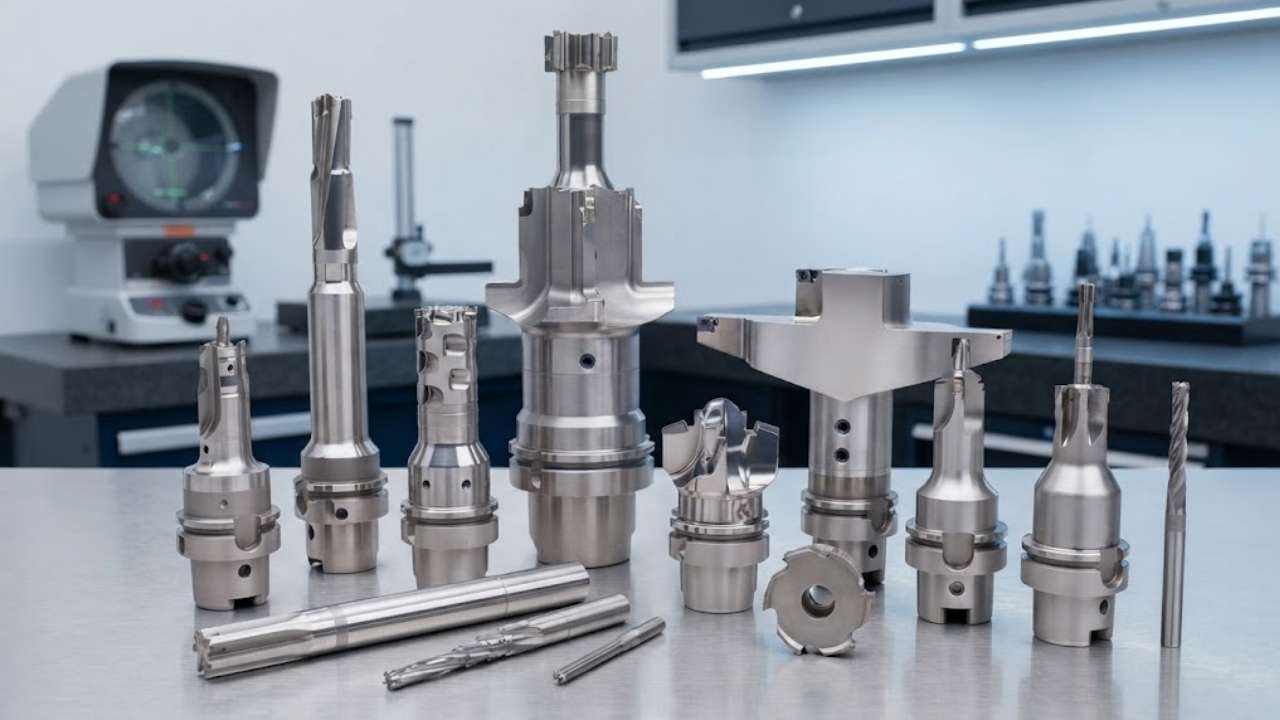
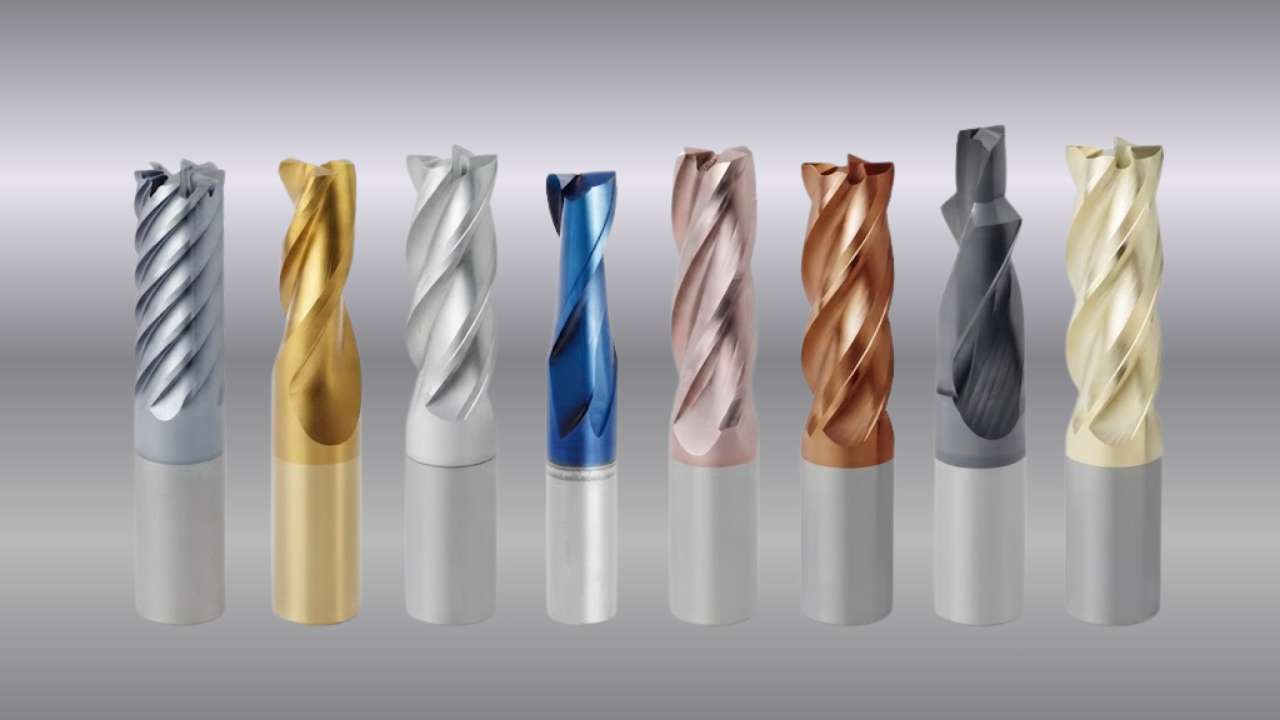
Coated tools
The coated micro tools can enhance the wear resistance in high-speed machining, particularly under cutting conditions. TiAlN offers thermal resistance and wear resistance, and DLC offers low friction and wear resistance. The selection of coating should be matched carefully and consistently with the material, speed, lubrication and specific application.
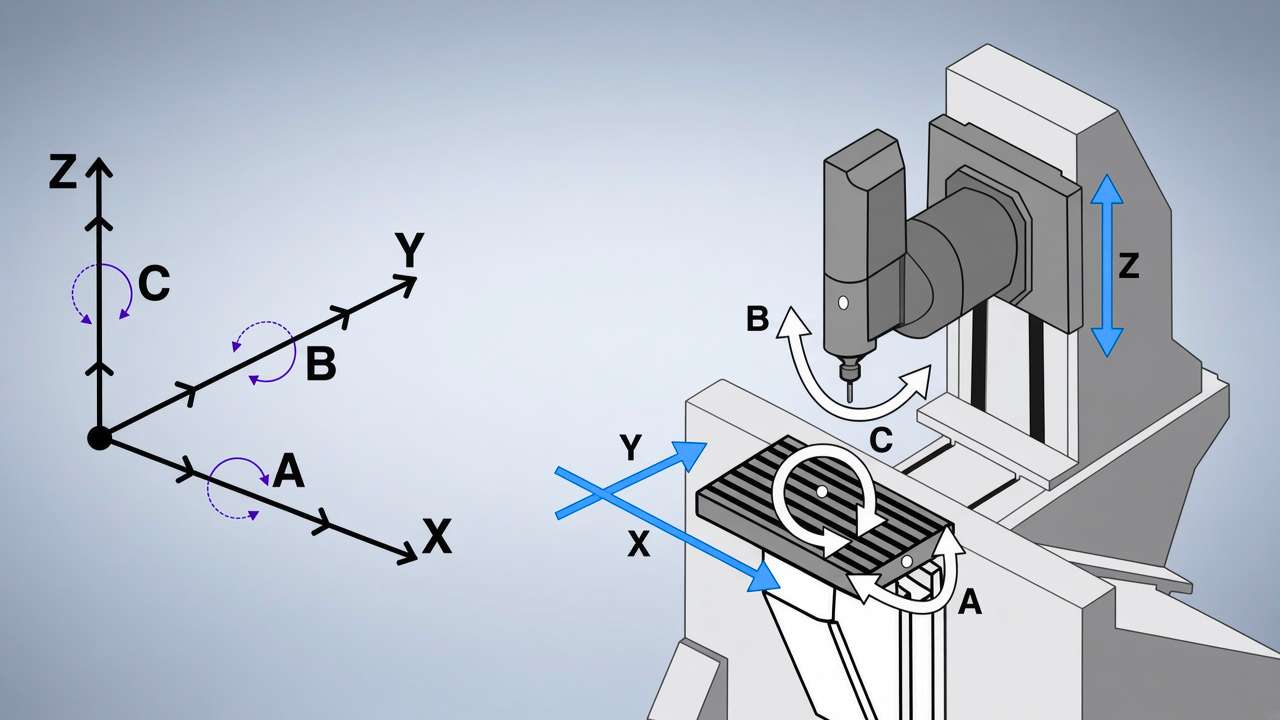
5-Axis CNC machines
With a 5-axis CNC micro machine, it is possible to machine complex miniature parts with multiple tool orientations, thereby minimising the number of tool setups. This has the ability to enhance access to angled surfaces, curved features, and challenging internal spaces. Workholding and machine setup are still critical points, as errors on the micro level have an impact on the final dimensions.
Achievable Precision & Tolerances
With micro precision parts manufacturing, you can achieve typical tolerances of ±1–5 microns. Micro precision manufacturing allows some advanced processes to achieve a tolerance of ±1 µm, whereas a standard CNC machine can achieve tolerances of ±0.01 mm. Verification is carried out using CMM, optical or laser interferometry and SEM. These metrology tools are used to verify dimensional accuracy and not for marketing claims or inspection. Some processes are also capable of providing surface finishes below Ra 0.1 µm, which are suitable for critical applications.
Applications & Industries Using Micro CNC Machining
Medical devices: Micro CNC is utilised in medical manufacturing for devices such as stents, surgical instruments and implantable sensors. Micro machining is also used to make precise micro-screws for medical implants.
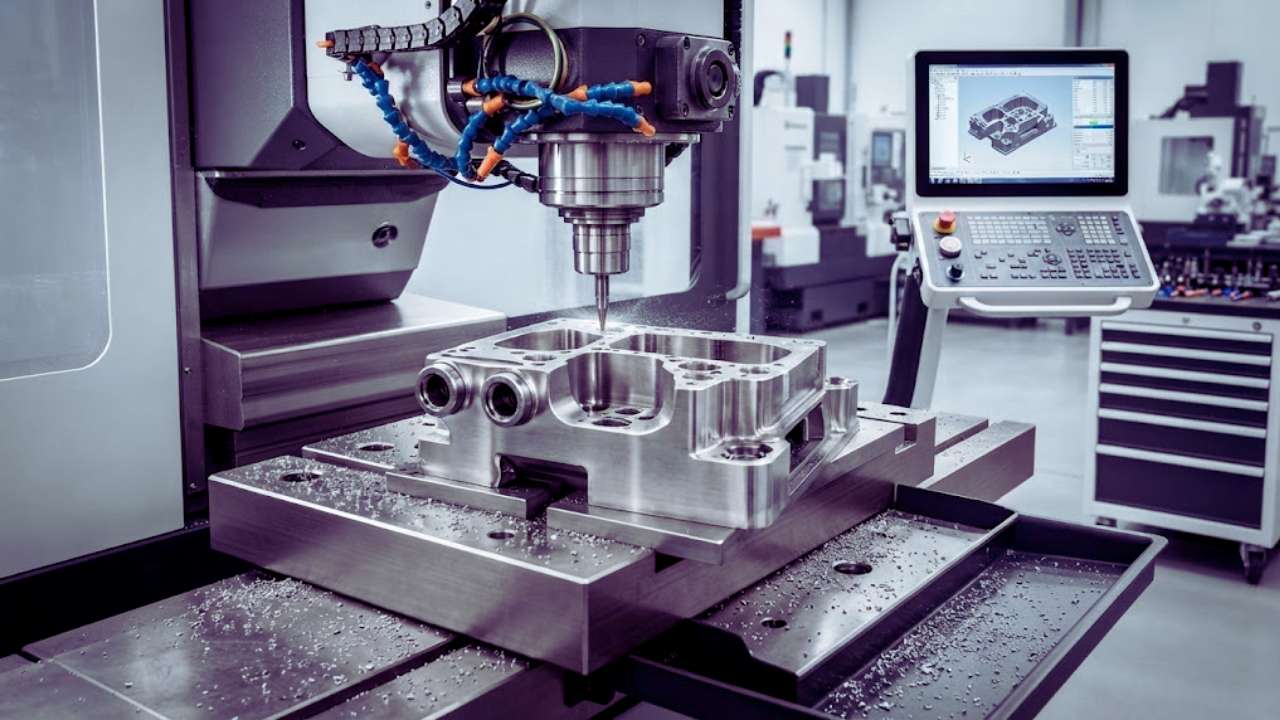
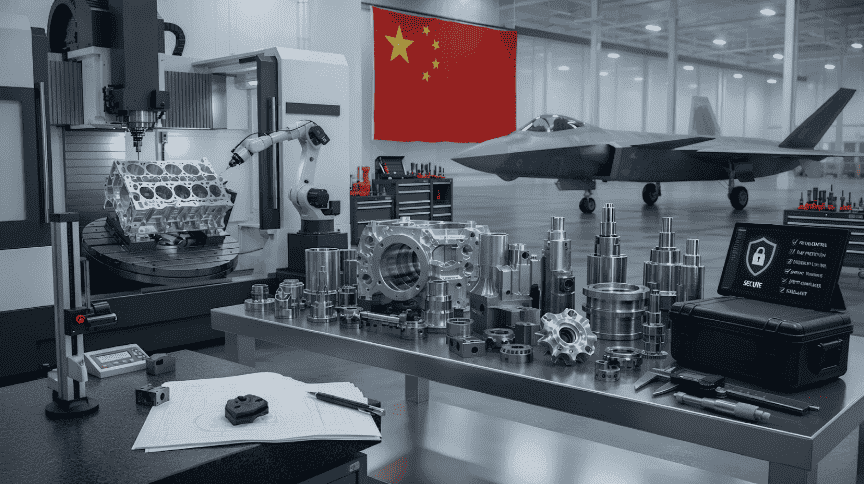
Aerospace & defence: Micro machining for fuel injector nozzles and turbine cooling channels is needed by aerospace manufacturers. Micro CNC also provides components for MEMS sensors.
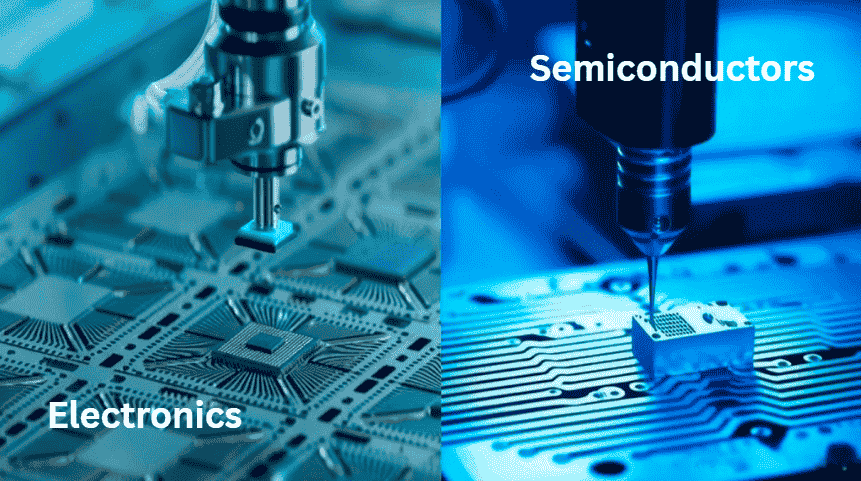
Electronics & semiconductors: Micro CNC is used in the manufacture of micro connectors and wafer-handling components by electronics manufacturers. Micro machining is also used for the production of microfluidic chips that need precise features.
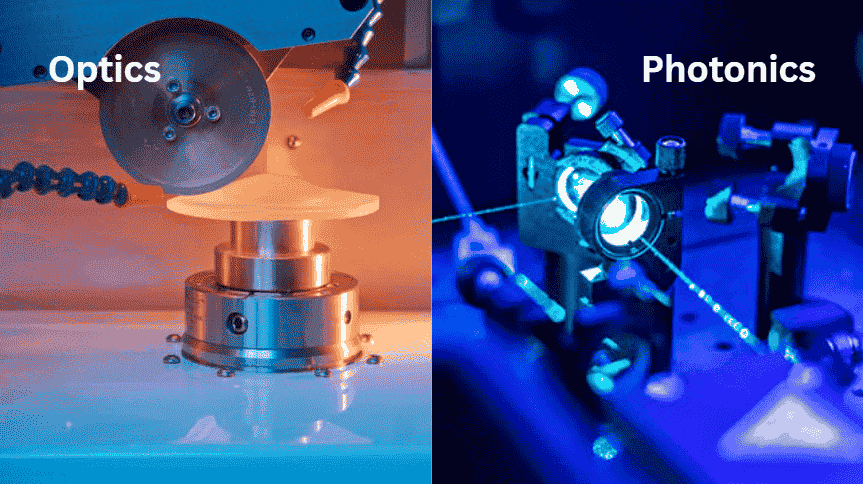
Optics & photonics: Micro CNC is required for optical manufacturers to make fibre-optic ferrules and precision lens moulds. These components must be dimensionally controlled and have well-finished surfaces.
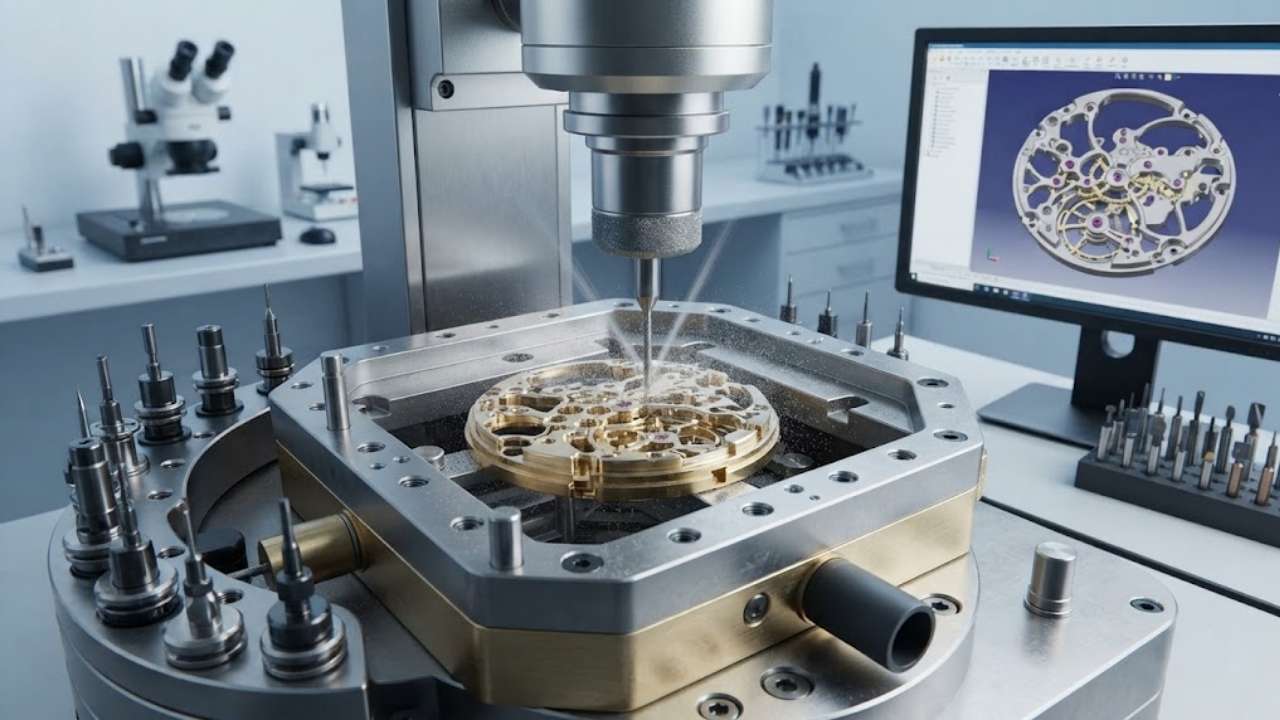
Watchmaking: Micro CNC is used to manufacture small gears and mechanical parts for watches. Micro machining services are useful to develop complex mechanisms that must be of the correct size and must move exactly.
Material Science in Micro Precision Manufacturing
At the micro level, the behaviour of the materials is also quite different, influencing tool life, forces, heat and surface quality. Carbides are extremely hard, typically 1500 – 2000 HV, and are used for precision cutting operations. PCD is highly wear-resistant and is suitable for non-ferrous alloys, composites and abrasive materials. Materials like Titanium, Stainless Steel and Exotic Alloys require special cutting techniques as they tend to build heat and are not easily machined. When materials are temperature sensitive, size effects must also be taken into account and heat effects managed.
The Benefits of Precision CNC Micromachining
Unmatched precision: Precision CNC micromachining enables the production of intricate components with excellent dimensional accuracy and consistency, thanks to its tight tolerances.
Lots of material options: Micro CNC machining can be used for metals, plastics, ceramics, composites, and specific materials for various parts.
Scalable production: Automated CNC processes can be used to produce in large quantities while ensuring that the dimensions, quality and repeatability of the result are maintained for all productions.
Miniaturisation of design: Precision engineering allows the development of smaller components, which is beneficial to engineers who want to design compact products without sacrificing functional performance.
Component reliability: Tight control helps to enhance component reliability, and these components can be used for high-demand, mission-critical applications.
Superior surface finish: The control in the machining process allows for smooth surfaces, thereby minimising the need for secondary finishing and streamlining the entire manufacturing process.
Challenges and Limitations of Micro Machining CNC Operations
Tool wear and fragility: The microscopic tools have fast wear and fragility, and require precise cutting parameters and tool selection.
Workholding and vibration: Small parts require positive workholding. Even the slightest vibrations can cause inaccuracy and damage to delicate features.
Increased operating costs: Micro machining can be more expensive than conventional CNC because of special tooling and equipment, and skilled people.
Micro-feature metrology: Advanced metrology equipment is required to measure the micro features. Conventional inspection techniques may not be adequate to give the required resolution.
Thermal sensitivity: Tiny parts and tools can be distorted by heat. Dimensional stability in temperature-controlled environments is maintained during machining.
Chip evacuation: Tiny chips may be trapped in cutting zones, leading to recutting. Good coolant flow and chip evacuation are still a must.
Size effect: Material properties are different at the micro scale. The problems need expertise beyond the knowledge of normal CNC machining.
How to Choose the Right Micro CNC Machine Partner
- Carefully evaluate equipment capabilities and component requirements and production volumes when selecting micro machining services.
- Ensure that high-speed spindles, 5-axis machining and air-bearing systems can be used to achieve required precision consistently.
- Ask for specific tolerance limits based on production samples, not just general marketing statements.
- Proof of experience in working with Titanium, S/S, high-performance plastics, exotic alloys and robust metrology.
- Verify CMM capability, ISO certifications, first article inspection and appropriate ISO 13485 or AS9100 certification.
Masion – Leading CNC Micro Machining Parts Manufacturer in China
Masion is located in the vicinity of Shanghai Port in Ningbo, Zhejiang Province, China, and it has been operating since 2004. It has a production area of more than 5,000 m², with 125+ employees and has produced more than seven million CNC machining parts. Masion has 2000+ customers such as Xusheng, Tesla, Tuopu, and Yongxin Optics, and provides various precision manufacturing needs. It is certified to ISO 9001:2015, ISO 16949 and ISO 14001 for structured quality and environmental management. Five-axis CNC machining, Milling, Turning, Swiss machining, Micromachining, Grinding, DFM support and assembly capabilities are available. When experienced production, in-house R&D, PPAP reporting and integrated support are required, select Masion for CNC micromachining.
Conclusion
CNC micromachining can deliver a high degree of miniaturisation, complex geometry, and consistent components for challenging industries. It requires process stability, special tooling, controlled temperatures, secure workholding, and advanced metrology to be a success. Selecting the appropriate manufacturing partner also aids in the consistent quality of the volume and complex application. When it comes to the best micro machining services, check out Masion, which offers cutting-edge technology, a skilled staff and in-house production support. Before choosing your next micro-precision manufacturing partner, carefully consider equipment, tolerances, materials, inspection methods and technical expertise.
FAQs
What tolerances can micro CNC machining achieve?
With the appropriate equipment, material and geometry, tolerances of ±1 to ±5 microns are possible with micro CNC machining. During precision production, the dimensional accuracy is directly affected by the tool size, thermal changes, material behaviour, and clamping pressure.
What materials work best for micro machining?
Aluminium is one of the most popular materials used in micro machining, as it is easy to cut, less expensive and resistant to corrosion. Copper is used for electrical and thermal applications, while titanium is used in aerospace and medical components, despite the higher cutting heat. For specialised polymer applications and plastic components, ABS, polycarbonate, PEEK and PTFE are available, with stainless steel providing durability.
How does laser micromachining differ from CNC milling at micro scales?
Laser micromachining is a non-contact process that can be used to remove material from fragile parts. It works well on thin foils, microholes, brittle glass, ceramics and sharp features where there is little mechanical stress. Micro CNC milling is a technique that is controlled by small rotating cutters and is useful for 3D shapes, deep pockets, slots and components.
What makes CNC micro machining more expensive than conventional machining?
CNC micro machining is more expensive as it requires the use of special equipment, fragile tooling, careful set-up, and slower cutting speeds. Spindles can be over 50,000 RPM, and vibration control and thermal stability guard micron-level accuracy during machining. The use of tiny carbide tools leads to rapid tool wear, and inspection systems, skilled operators and longer cycle times drive up costs.
How is quality validated in micro CNC parts?
The use of traditional measuring tools is unable to accurately measure the microscopic features and tolerances of micro CNC parts, and thus special metrology is required. Optical systems, laser scanners, interferometry, and X-ray CT are suitable for accurate examination of dimensions, surfaces and internal geometry. Micro-CMMs and profilometers take contact measurements, and force, acoustic and thermal monitoring ensures reliable detection of process changes.