
What Is Micro Milling? Process, Tools, and Tolerances Explained
Micro milling uses tools as small as 10 micrometers, so there is not much margin for error in the machining process. Precision and surface quality can be easily lost with tiny tools, vibration, heat and tool deflection. The knowledge of micro-milling enables engineers to select the appropriate machines, tools, materials, and cutting parameters. This guide covers process, equipment, tolerances, applications, limitations and hybrid manufacturing approaches. You will also discover how Masion manufactures micro-milling parts with precision for critical industrial applications.
What is Micro Milling? – Understanding the Fundamentals
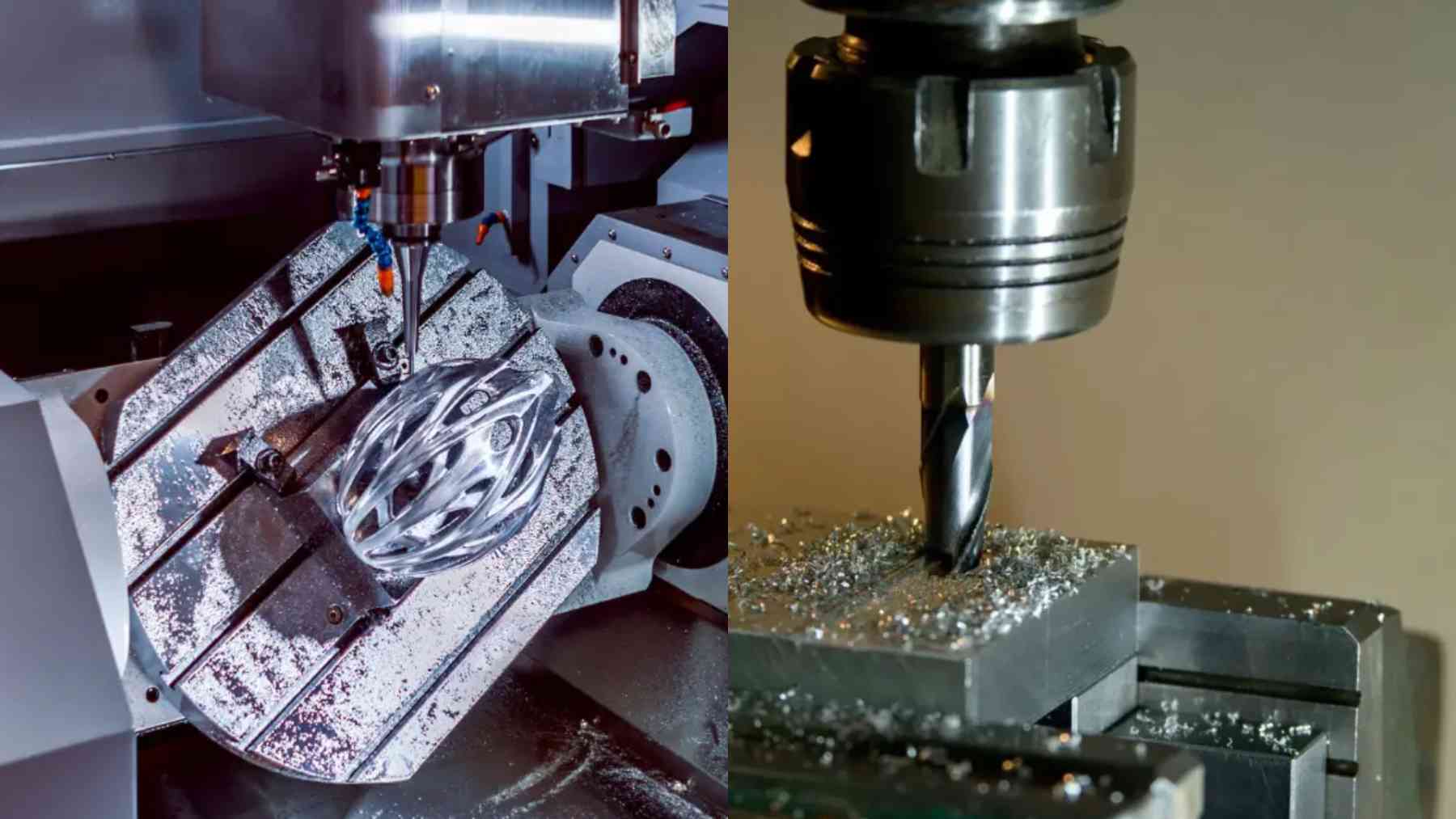
Micro milling enables the machining of micro features with high precision, generally with tool sizes ranging from 10 micrometers to 1 millimeter. The difference from conventional CNC milling is that you are dealing with significantly smaller cutting tools and material volumes. Material is removed by a rotating tool in a controlled cutting process at the microscale level. But when scaling down, the physics of the machining process changes significantly, and well-known assumptions are no longer valid. These offer unique challenges, which necessitate the use of special tooling, parameters, and techniques, such as tool deflection, minimum chip thickness, and surface forces.
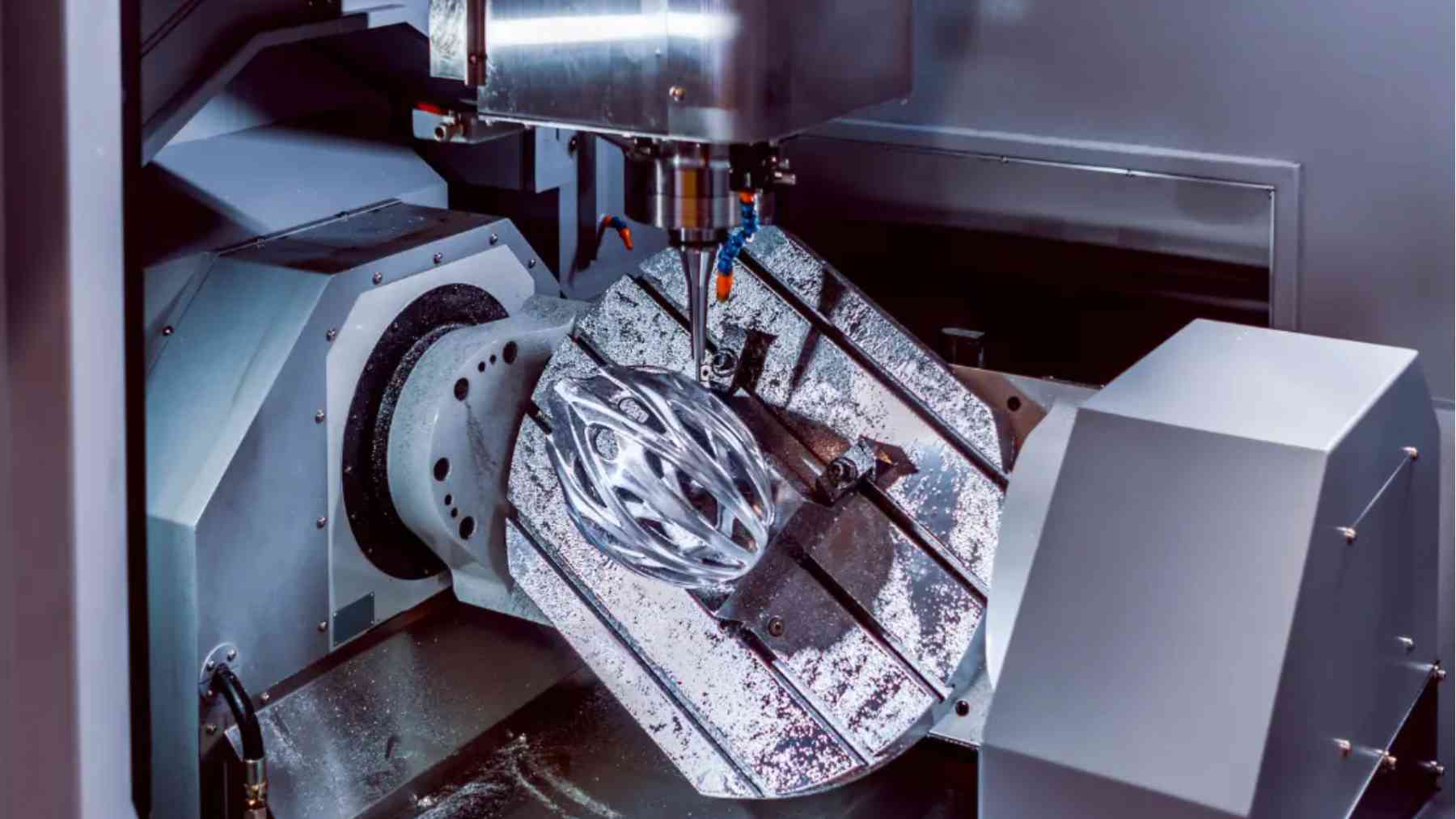
How Micro CNC Milling Works – Process Mechanics
Conventional cutting mechanics change significantly at the miniature scale, thus requiring tighter control in micro CNC milling. When using small tools, the minimum thickness of the chip may cause elastic-plastic deformation rather than clean shearing. The cutting-edge radius becomes relevant in comparison with the thickness of the uncut chips, and the specific cutting energy increases rapidly.
Process execution sequence:
Step 1: Workpiece Fixturing:
Mount small workpieces securely to avoid dimensional inaccuracies, vibration, and movement when operating at high speeds.
Step 2: Tool Selection:
Select appropriate micro-cutting tools, and check edges, runout, coating and geometry prior to each machining cycle.
Step 3: Spindle Speed:
Calculate spindle speed carefully, considering 50,000–200,000 RPM ranges and tool diameter for stable cutting performance.
Step 4: Feed Rate:
Optimize feed rates to 0.5-5 micron precision to balance surface quality, cutting forces and machining efficiency.
Step 5: Depth of Cut:
Control axial and radial depths conservatively to minimize tool deflection and to keep the miniature features accurate.
Step 6: Coolant Management:
Use appropriate coolant and ensure good chip removal to avoid heat accumulation, recutting and surface damage.
Step 7: In-Process Monitoring: Continuous monitoring of cutting conditions helps identify tool wear and prevent deviations in dimensions and machining quality.
Inspect tool wear, spindle runout, positioning accuracy, and thermal stability during machining.
Micro Milling Machine CNC Specifications & Equipment Requirements
When selecting micro milling equipment, precision, rigidity, spindle performance, and thermal stability are important factors to consider. Stiffness and accuracy are directly related to your machine geometry, be it a bridge-frame or C-frame machine. High-frequency spindles are used for small tools at suitable speeds for miniature features. The vibration damping and precision positioning mechanisms also ensure surface quality and dimensional control. Choose either 3, 4 or 5 axes depending on complexity. Desktop, benchtop, and tabletop CNC mills are ideal for various workspace needs and applications. The hybrid CNC lathe-milling machines are also able to perform versatile micro-part machining.
Cutting Tools for Precision Micro Machining
Micro end mill specifications:
- Tool Diameter: The diameters of the tools are in the range of 10–1,000 micrometers, which enables the precise machining of miniature features.
- Flute Count: With micro machining, two to four flutes are used to balance chip evacuation, rigidity, and cutting performance.
- Helix Angle: A helix angle of 25-45 degrees helps to control cutting forces and to achieve good surface quality.
- Cutting Edge Radius: An accurately controlled edge radius of 0.5–3 microns helps to achieve cleaner cutting and minimizes unwanted burrs.
- Tool materials for different applications:
- Tungsten Carbide: Tungsten carbide with cobalt binders offers rigidity and strength for demanding micro-machining applications.
- PCD Tools: PCD handles abrasive materials effectively, extending tool life while maintaining consistent cutting performance.
- Coatings: TiAlN, AlCrN, and diamond-like carbon coatings reduce wear and improve cutting performance.
- End Mill Selection: Ball nose end mills suit curved surfaces, while flat end mills suit precise flat features.
- Tool Deflection: Smaller tools improve access but increase deflection risks, requiring balanced edge strength and cutting stability.
Critical Cutting Parameters for Mini CNC Milling Machine
In micro milling, it is extremely important to use accurate cutting parameters, particularly in processing small tools and small features. The spindle speed should be adapted to the diameter of the tool and the material to be turned to ensure effective control of the cutting speed. Aluminium requires cutting speeds of 50 to 300 m/min, and steels require cutting speeds of 20 to 100 m/min. Typically, the speed of titanium is 10-50 m/min for controlling heat and tool wear. Feed per tooth must be set above the minimum chip thickness, 5-50 μm axial and 10-100 μm radial. A material removal rate of 0.001–0.1 mm³/min can be expected with control of thermal buildup.
Achievable Tolerances & Surface Quality for CNC Milling Machine
Micro Milling can produce extremely high tolerances; however, it needs to be kept in mind how the part will be practically machined. Dimensional accuracy can be up to 2-5 μm, and the surface roughness can be up to Ra 0.05-0.5 μm. With proper tooling and machining, ratios of up to 10:1 feature depth to width are possible. Wall thicknesses as little as 20–50 micrometres are still achievable, but corner radii need to be carefully considered. Dimensional accuracy, surface quality and critical micro features can be reliably verified with optical profilometry, confocal microscopy and coordinate measuring machines.
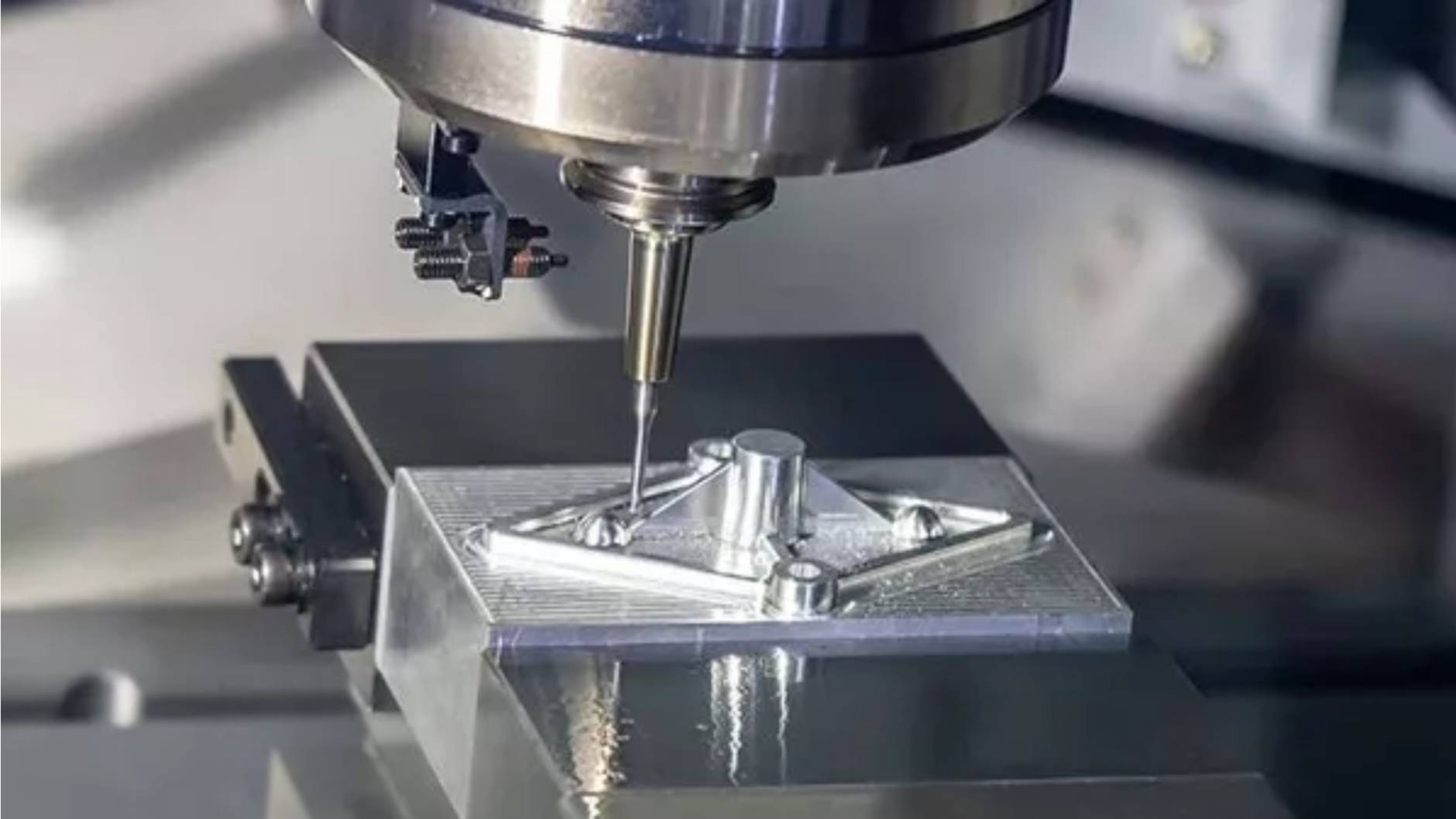
Materials Compatible with CNC Lathe and Milling Machine
Metals suitable for micro milling:
- Aluminium Alloys: 6061 and 7075 have great machinability and can be used to produce micro-milled components, which are precise and lightweight.
- Brass and Copper Alloys: They are good machining materials, but built-up edges must be cut under proper conditions.
- Stainless Steels: 304 and 316 are corrosion-resistant, but need to have the machining parameters controlled.
- Titanium Alloys: Ti-6Al-4V is for demanding applications; careful heat and tool management is required.
- Nickel Alloys and Tool Steels: These materials can withstand harsh conditions, but require strict setups and appropriate tooling.
Plastics and non-conductives:
With non-conductive materials, as in the case of plastics, conventional EDM may be inappropriate for many applications. Alternatively, materials such as PEEK, PTFE, Ultem, Nylon, ABS and Acrylic (PMMA) can be processed with CNC. Special tooling is needed for technical ceramics, and many times the cutting tool edges are diamond-coated. Material Machinability Ratings determine tool and process selection, and Thermal sensitivity helps control heat, deformation and dimensional accuracy during machining.
Ideal Applications for Micro Milling
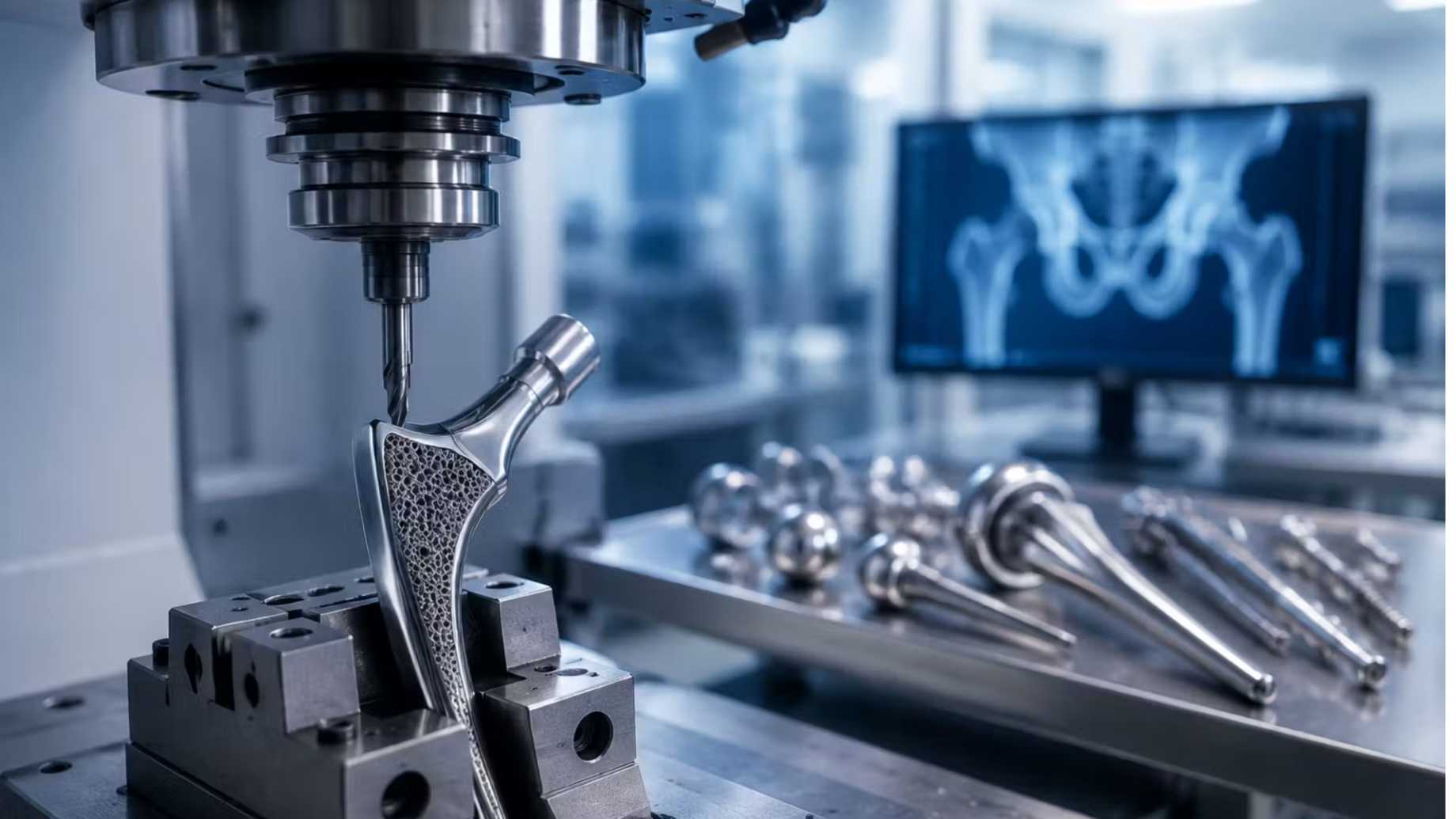
- Medical Devices: Micro milling is used to create accurate features for medical devices such as implants, surgical instruments and minimally invasive medical components.
- Microfluidics: It is used for the generation of narrow channels and complex features for lab-on-chip and diagnostic devices.
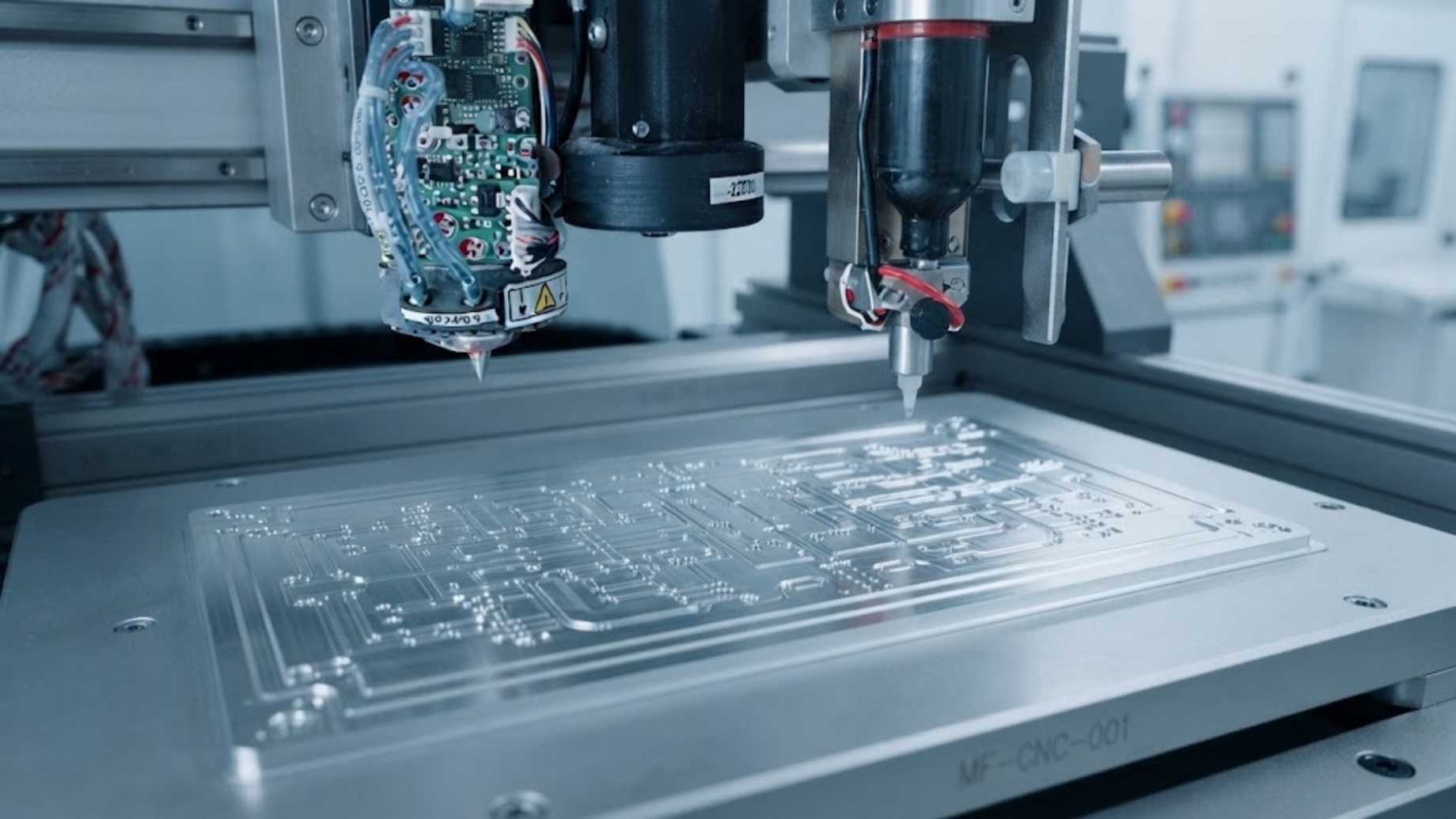
- Electronics: Micro milling is employed in manufacturing miniature connectors, RF components and precision electronic housings.
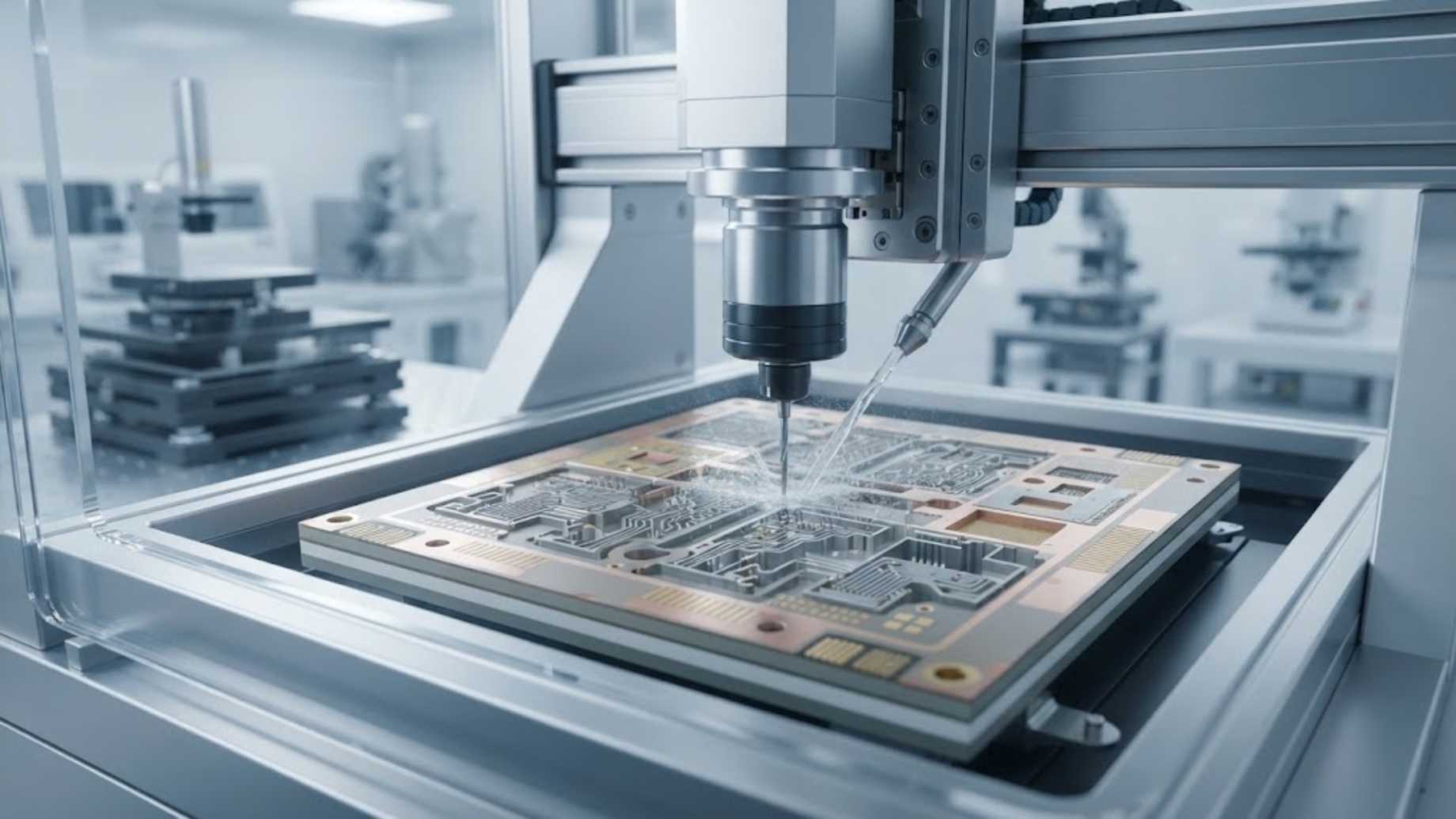
- Aerospace: Ideal for fuel injector nozzles and micro-actuators with tight tolerances and accurate geometries.
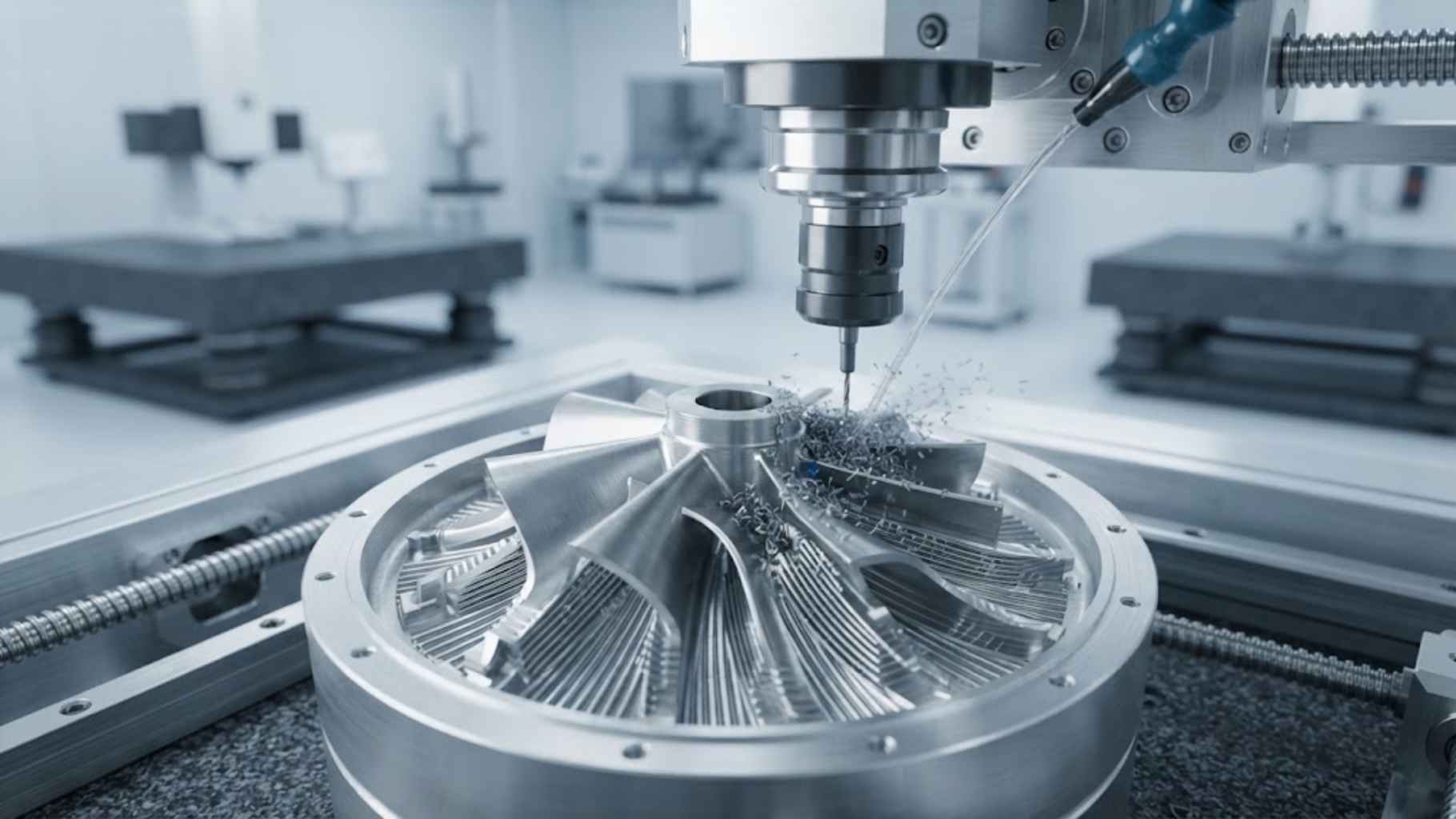
- Optics: Micro milling can be used for processing precision optical parts and photonic devices with complex surface features.
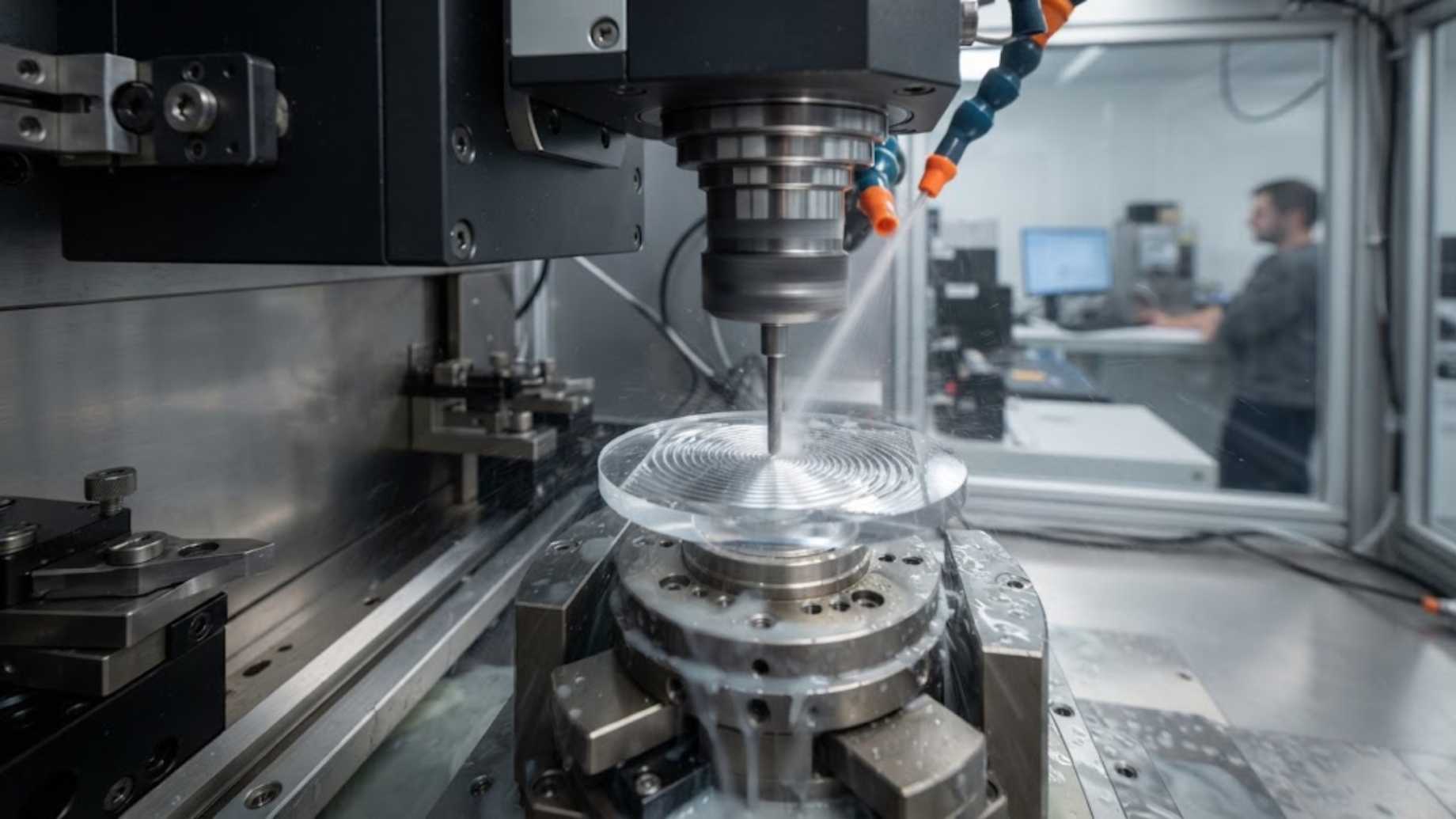
- Semiconductor packaging: It is used to manufacture sensor housing products and packaging components that have precise miniature features.
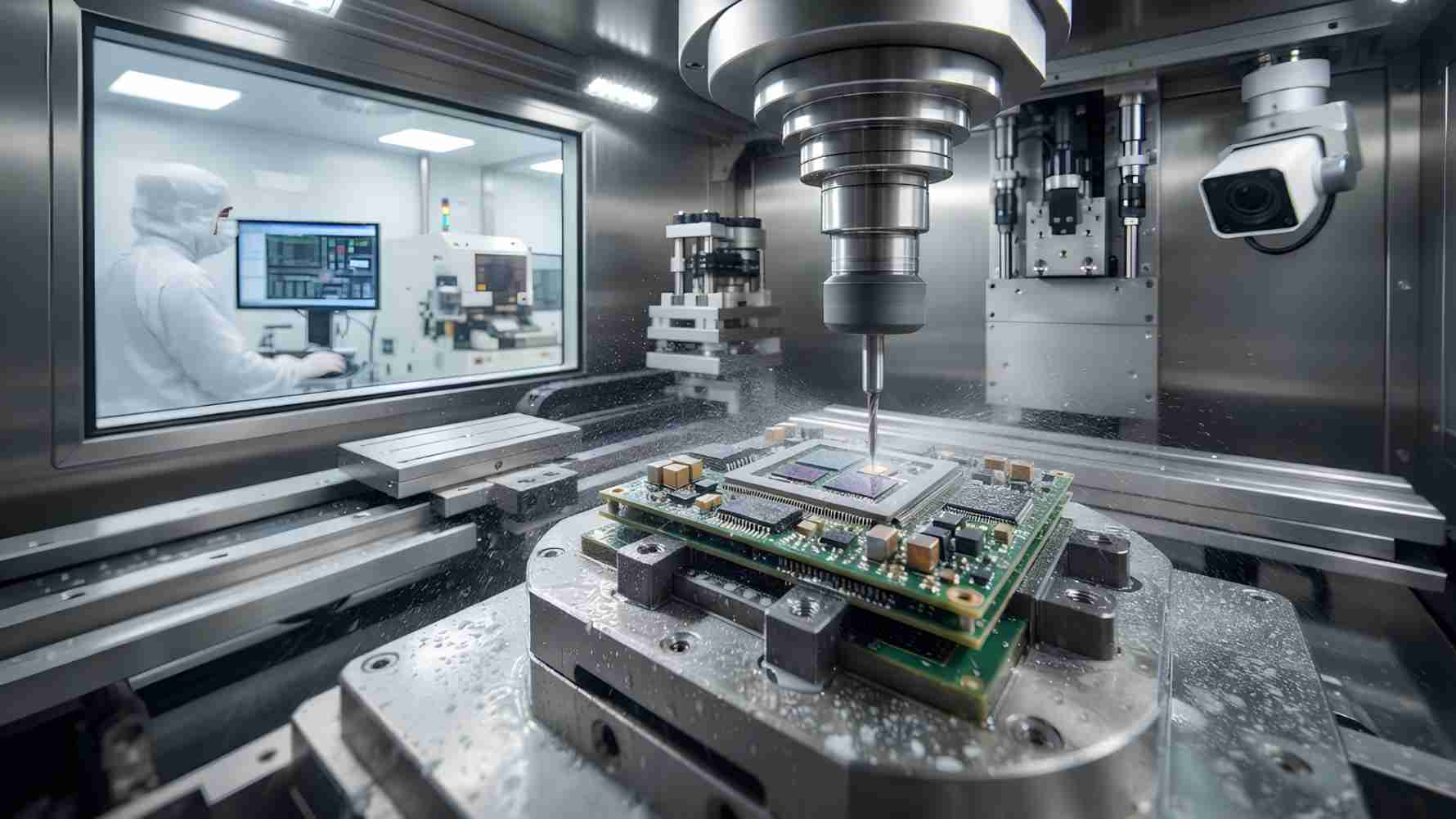
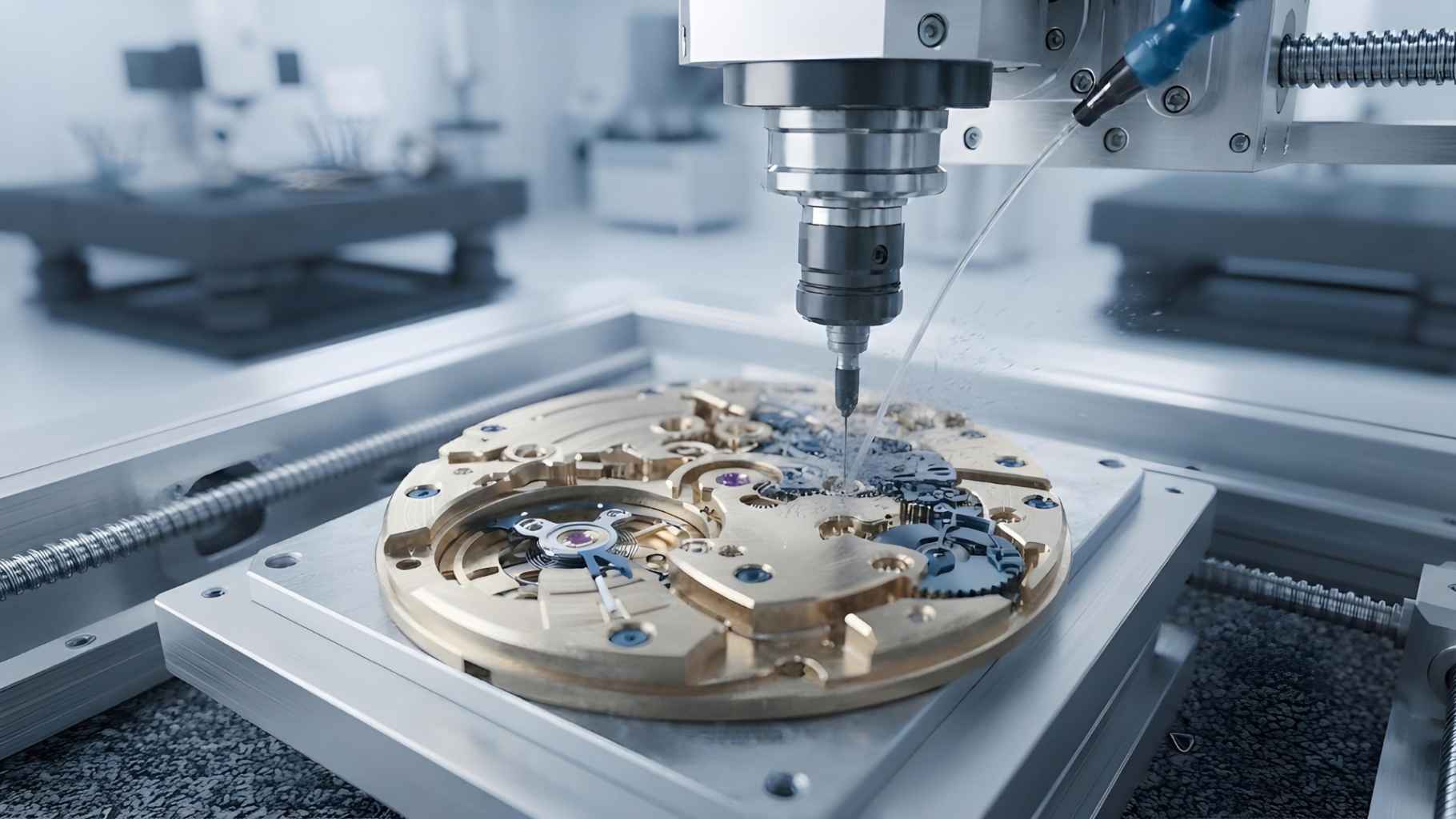
- Watchmaking: Micro milling is used to manufacture micro gears, cases and parts for high-precision timepieces.
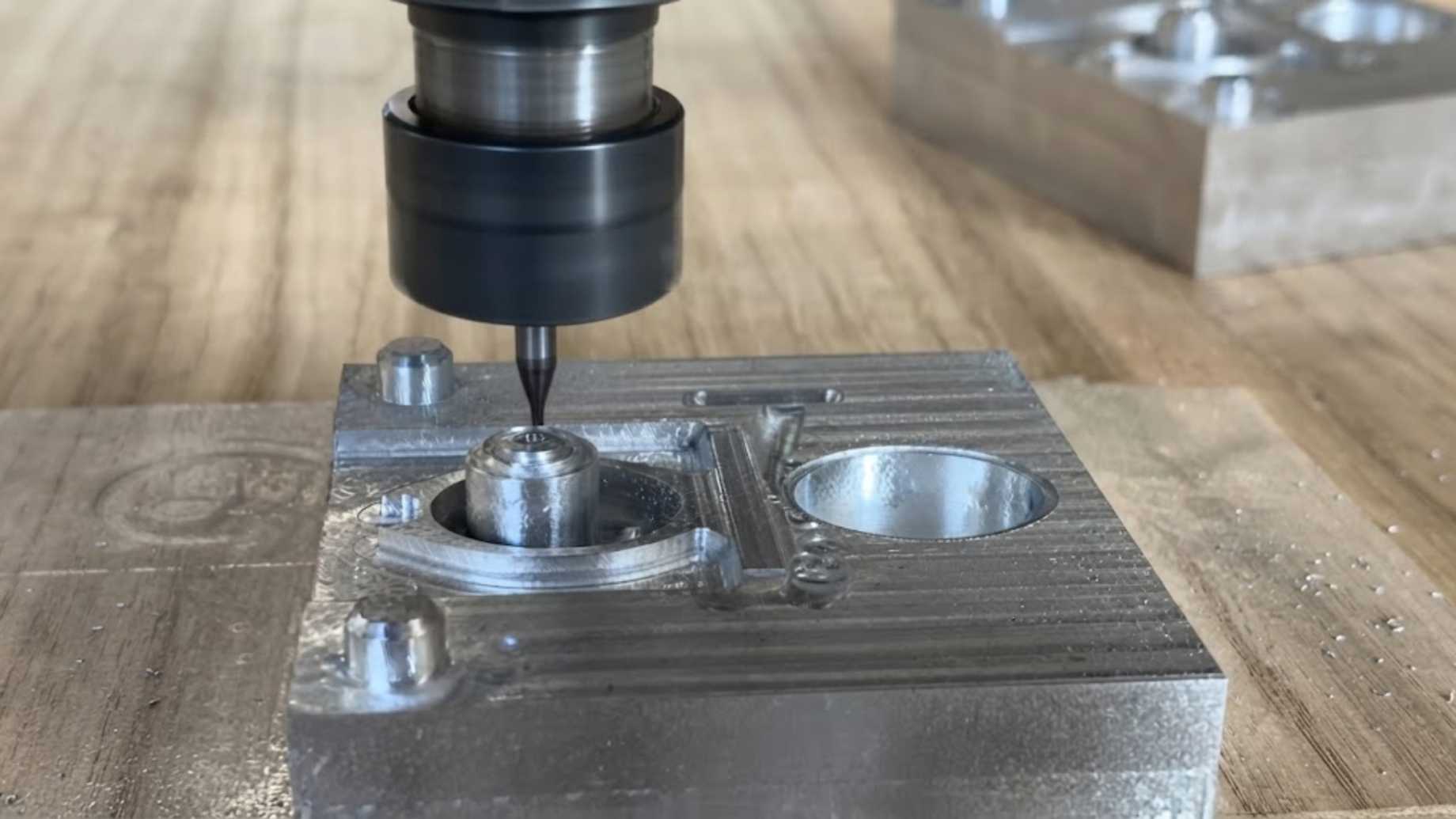
- Micro moulds: It is used to produce detailed moulds for injection moulding of small plastic parts.
When NoT to Use Micro Milling – Process Limitations
While micro milling has the ability to achieve a high level of accuracy, it is not suitable for all manufacturing needs. Conventional processes might be more advantageous for high-volume orders (typically > 5,000 to 10,000 pieces per year). Tool deflection and chip evacuation may be a problem with features that are greater than a 15:1 depth-to-diameter ratio. Submicron features are typically beyond the practical limits of tooling. Hardness above 60 HRC may lead to increased tool wear. Alternatively, uniform removal may be more desirable on large surfaces, and high per-part costs may make micro milling economically unfeasible.
Micro Milling vs. Traditional Milling – Key Differences
Parameter | Traditional Milling | Micro Milling |
Tolerances | ±10–50 μm | ±1–5 μm |
Tool Diameter | 6–100+ mm | 0.025–3 mm |
Spindle Speed | 2,000–20,000 RPM | 30,000–200,000+ RPM |
Depth of Cut / Feed | 1–10 mm DOC; 100–2,000 mm/min | 1–100 μm DOC; 10–500 mm/min |
Material Removal Rate | Tens–hundreds of cm³/min | 0.001–1 mm³/min |
Feature Complexity | 2.5D–3D pockets, slots | Microchannels, MEMS, micro-features |
Surface Finish (Ra) | 0.8–3.2 μm | 0.05–0.5 μm |
Equipment | Standard machining centers | Air-bearing spindles, thermal/vibration control |
Tool Wear | Moderate, hours of life | High risk — breaks with 2–3 μm runout |
Applications | Automotive, molds, structural parts | Medical implants, microfluidics, watches |
Masion – Leading Partner for Quality Micro Milling Parts
Masion can assist you with finding quality micro milling parts, with precision-focused CNC machining expertise. Its 5,000+ m² facility is located in Ningbo, Zhejiang, close to the Port of Shanghai for efficient manufacturing and global logistics. Masion has 125+ employees and 21+ years of experience and has delivered 7+ million parts. Additionally, ISO9001-2015, ISO16949, ISO14001 and FSC compliance also contribute to reliable micro milling solutions for demanding applications.
Why Choose Masion for Micro Milling?
- Advanced equipment: Masion employs 3-axis, 4-axis and 5-axis micro milling machines to deal with complex parts.
- Micro Milling Precision: Desktop CNC Mill and Benchtop CNC Mill capabilities allow for precision manufacturing of mini components.
- Quality assurance: Thorough inspections and precise measurements ensure uniformity in dimensions and surface quality.
- Technical expertise: Diamond machining technology can be used for demanding applications that require extreme accuracy and fine surface finishes.
- Trusted experience: Masion is trusted by major brands such as Tesla, Xusheng, Tuopu, and Yongxin Optics.
- Fast turnaround: Quickly allows customers to test samples and get them to production earlier.
- Design support: DFM support identifies manufacturing challenges early and helps to develop more practical and machineable designs.
Advantages of Micro Milling Technology
- High precision: Tolerance of Micro Milling is around ±2–5µm. This helps to hold miniature parts in place and to ensure the integrity of critical assemblies.
- Excellent surface finish: Smooth surface finish with minimal tool marks from controlled cutting. This helps to minimise polishing and other post-processing demands.
- Complex Geometries: Micro milling can produce complex 3D shapes, such as undercuts and narrow channels. It helps with designs that may be difficult to handle with conventional machining.
- Material versatility: It can be used for metals, plastics, ceramics and non-conductive materials. This makes it appropriate for a variety of uses.
- Cost-effective production: Micro milling is suitable for prototype and low-volume production due to its cost-effectiveness. It eliminates a lot of tooling expenses.
- Reduce the investment in tooling: CNC micro milling does not require investment in a mould or die in general. This helps reduce upfront tooling expenses.
- Medical compatibility: Micro milling can process titanium and other suitable biocompatible materials. This aids in the production of accurate medical and healthcare parts.
Conclusion
Micro milling is a very accurate manufacturing process that can be used to create small and complex parts with high tolerance. The right machine, tooling, cutting parameters and material for each application are the key to successful results. Whether you are using a desktop CNC Mill or a higher-level multi-axis machine, the proper configuration can manage vibration, heat, tool deflection and tool wear. When it comes to production-critical parts, an experienced manufacturer like Masion can offer precision, quality assurance, technical expertise, and reliable support, making it possible to achieve consistent micro-machining results.
FAQs
What materials can a CNC desktop mill cut for hobby projects?
Hardwoods, softwoods, plywood, MDF, plastics and some soft metals can be cut on a CNC desktop mill. For many hobby projects, maple, walnut, acrylic, Delrin, aluminium, brass, and copper are appropriate. Tooling wax and FR4 are also suitable for moldmaking, prototyping and custom PCB milling.
How accurate is a mini CNC milling machine for small metal parts?
For small metal parts, a mini CNC milling machine can achieve a precision of about 0.025 mm~0.05 mm. Actual accuracy is dependent on frame rigidity, ball screws, tooling, spindle conditions and workholding. For smaller end mills, proper speeds and shallow cuts are required.
What should beginners know before buying a CNC milling machine?
Specify your materials, part sizes and project types prior to purchase to ensure the machine can be used in an appropriate manner. The performance and usability depend on spindle speed, torque, frame rigidity, axis configuration, and software. Plan for tooling, workholding, software, dust extraction and safety equipment as well.
What space does a home CNC milling machine require at home?
Compact desktop CNC mills, in general, require more room than they are physically taking up. For smaller setups, allow for about 6 sqm of space around the machine. Ten square meters or more will be needed on larger hobby machines.
Can a benchtop CNC mill handle precision prototypes?
Precision prototypes can be made from plastics and soft metals, particularly aluminium, with a good benchtop CNC mill. Rigid cast or steel frames with ball screws are used for closer tolerances than flexible machines. These mills are ideal for brackets, enclosures, watch parts, and circuit boards.
Which materials can a small CNC milling machine cut?
With the right set-up, small CNC milling machines can be used to cut aluminium, brass, copper, plastics, wood and composites. Mild steel can also be cut with conservative cutting parameters by rigid machines. The use of carbide tooling, dust extraction, and appropriate workshop ventilation is required when working with carbon fibre and fibreglass.