
Inconel Melting Point 101 – The Complete Beginner’s Guide
When dealing with high-temperature engineering designs, it is important to understand the melting point of Inconel. Being a family of nickel-chromium-based superalloys, Inconel provides superior strength, oxidation resistance, and thermostability, yet all grades have a slightly different melting point. Such differences are attributable to variations in alloy composition which includes niobium, molybdenum, titanium and aluminum. This guide describes the operation of melting ranges, their differences between different Inconel grades, and how these temperatures affect performance and usage in the real world.
What Is Inconel? – Composition, Characteristics, and Alloy Families
Inconel is a series of nickel alloy superalloys that provide high levels of strength and stability. When you require the use of materials that are resistant to oxidation and corrosion in harsh conditions, you use these alloys. They are composed of nickel, with chromium to make them resistant to oxidation and molybdenum to increase their hardness. Iron is found in various grades and niobium reinforces such alloys as Inconel 625 and 718. Other important uses of titanium and aluminum include precipitation-hardening grades. Alloys formed by these balanced elements are resistant to intense heat, pressure, and chemical substances.
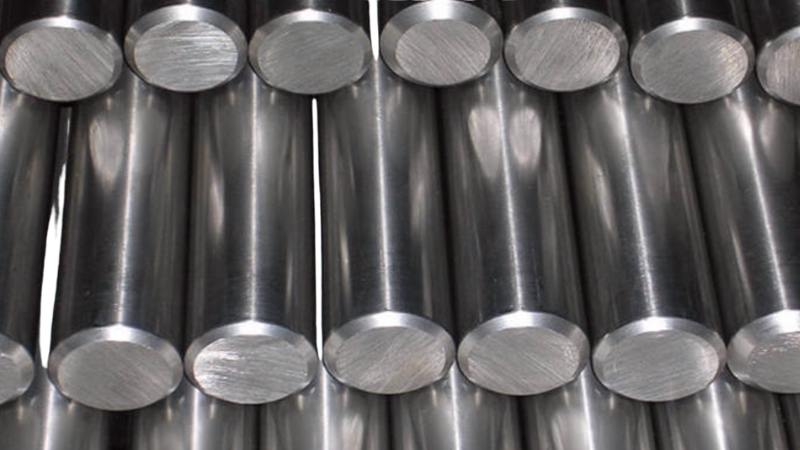
Key Performance Properties
High Thermal Stability
Inconel provides excellent thermal stability which can assure that you maintain part consistency in high heat. It is resistant to structural modifications. You also demonstrate stability in taxing operations. This stability helps in good machining and service life.
Extreme temperature strength
The alloy also maintains mechanical strength even in the event of a sudden increase in temperature. You inhibit deformation in the case of heavy loads. Predictable behavior is guaranteed by this strength. It is also compatible with safe use in high temperature systems.
Corrosion Resistance and Oxidation
Inconel is resistant to oxidation, carburization and salt corrosion in severe conditions. You do not experience premature surface damage. This resistance enhances durability. It also decreases maintenance and replacement requirements.
Fatigue and Creep Resistance
The alloy is able to withstand cyclic stress and long heat exposures without collapsing. You stay dimensional correct. This stability safeguards long cycle performance. It also guarantees reliability in important components.
Overview of Major Inconel Grades
Inconel 600
This grade provides consistent performance at high heat and corrosive conditions. It is found in heaters, chemical vessels, and aerospace components. It is based on solid solution strengthening, thus machines always but nevertheless work hardens easily.
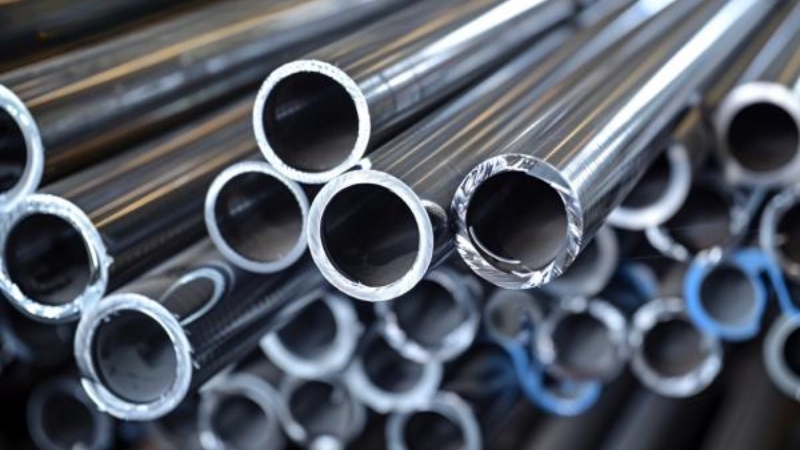
Inconel 601
This alloy offers superior resistance to oxidation when compared to 600. You use it frequently on furnace components, burners and heat-treat fixtures. It can withstand cycling temperatures and retain strength by being hardened in solid solution.
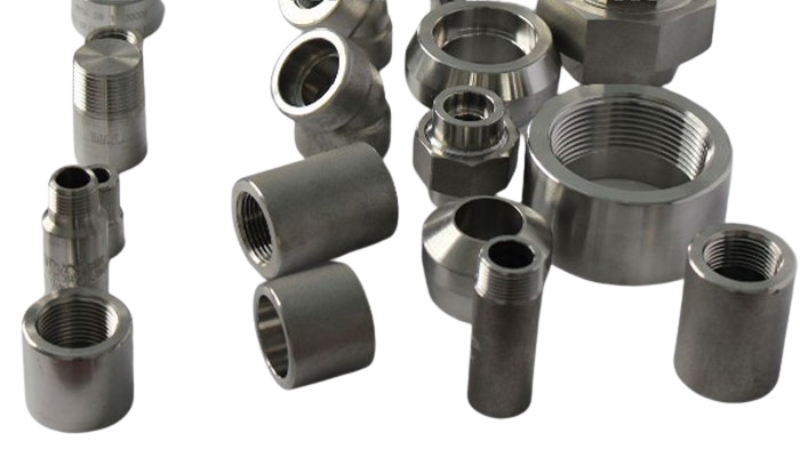
Inconel 617
This grade is exposed to high temperatures and hostile gases. You can find it in petrochemical systems and gas turbines. It relies on solid-solution fortification by means of cobalt and molybdenum and offers you reliable strength at extremely high temperatures.
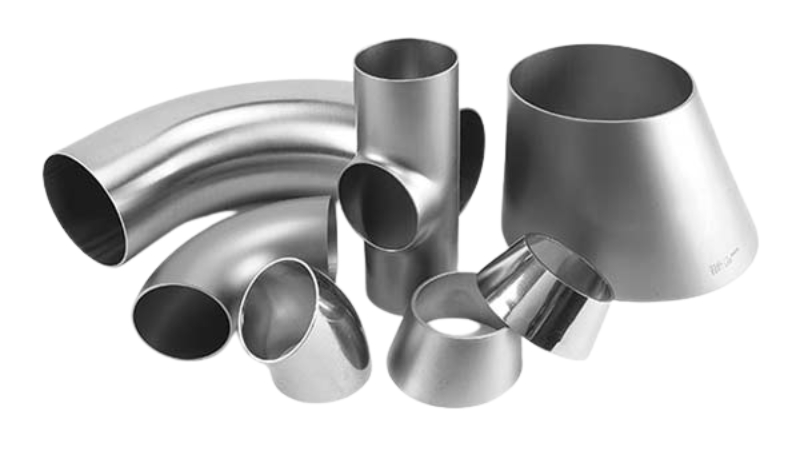
Inconel 625
This alloy provides superior corrosion and fatigue properties. You use it in marine, chemical and aerospace. It is hardened with solid-solution and it is easier to machine than precipitation-hardened alloys.
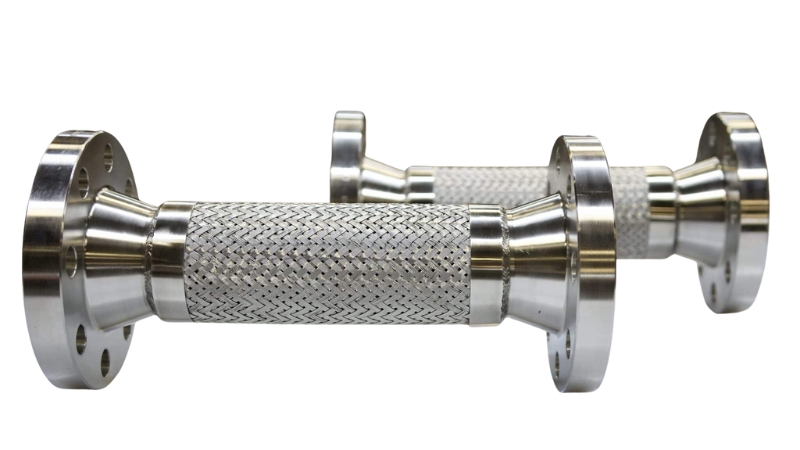
Inconel 718
This grade offers high strength as a result of precipitation hardening. You find it in turbine discs, engine parts, and cryogenic parts. It cuts harder than 625 but it pays with excellent fatigue and creep resistance.
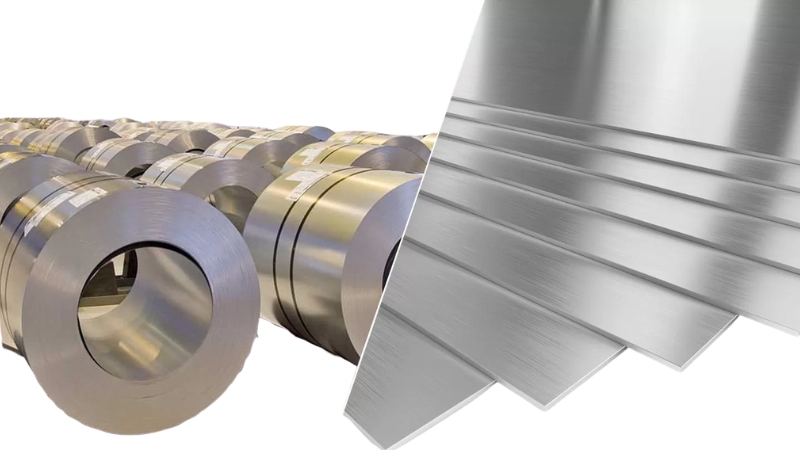
Inconel 725
It is a corrosion resistant alloy with a high strength through precipitation hardening. You apply it in oil-and-gas valves, tubing, and fasteners that are critical. It withstands sour conditions and does not diminish reliably in the presence of stress.
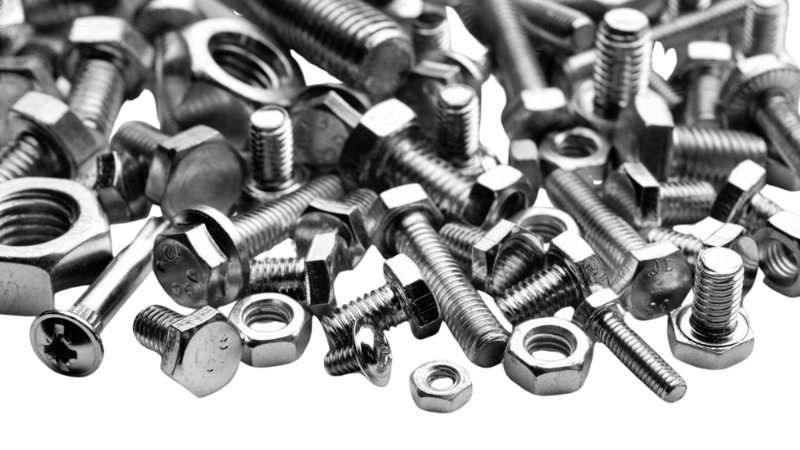
Inconel 800/825
Technically Incoloy, these alloys are very strong in oxidation and carburization. You choose them with heat exchangers and chemical equipment. They employ solid solution hardening and provide you wider corrosion resistance in appearance of acidic surroundings.
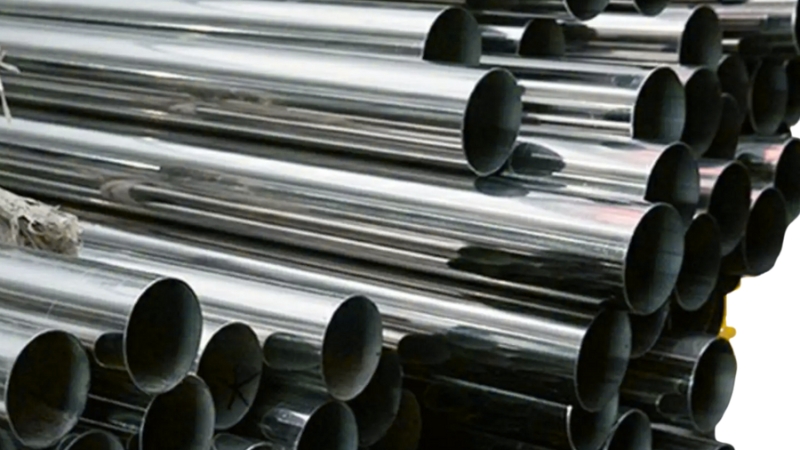
Understanding Melting Point in Nickel-Based Superalloys
What Melting Point Means in Metallurgy
When you are working with nickel based super alloys, you deal with both liquidus and solidus temperatures. The alloy begins to melt at the solidus. The point at which it is completely liquid is the liquidus. Multi-element alloys do not fuse at a single point, but rather melt over a range. This range determines the behavior of the alloy when cast or exposed to heat. These values are used by you to forecast stability, flow, and structural change in extreme environments.
Why Inconel Has a Melting Range, Not a Single Temperature
Inconel exhibits a melting range since every alloying element changes phase behavior. This is observable in the multi-phase structures and phase diagram. Wrought and cast alloys do not cool at the same rate and form different microstructures. Melt portions are also altered by grain boundaries and microsegregation. These aspects provide progressive change between solid and liquid.
Inconel Melting Points by Grade (Solidus–Liquidus Range)
Inconel 601
Inconel 601 melts between 1360°C and 1411°C. It has good resistance to high-heat oxidation and it is advantageous to you. The feature assists you in sustaining part stability during thermal processing. It works admirably in harsh heat-cycle conditions.
Inconel 617
This grade fuses at temperatures ranging between 1343°C and 1380°C. It can be used to service at temperatures over 1000 C. When most alloys get soft, it maintains strength. You can find it in gas turbines and industrial heaters.
Inconel 625
The melting range of inconel 625 is approximately 1290°C to 1350°C. Niobium and molybdenum changes its melting behavior. You acquire good corrosion and fatigue strength. It is effective in marine and chemical systems.
Inconel 718
With Inconel 718 you get a melting range of 1260°C to 1336°C. This is a precipitation hardened alloy. You find it in aerospace turbines and cryogenic components. It remains stable even with massive loads.
Inconel 725
The melting range of this grade is 1290°C to 1350°C. You achieve better corrosion strength than 625. It works well in severe offshore and chemical conditions. It is hardy as pressure mounts.
High-Temperature Grades
Grades such as 740H and 713C have increased melting ranges. You observe increased creep and oxidation resistance. Cast superalloys are different to wrought grades based on composition and microstructure. You perform well in high turbine temperature.
Inconel Grade | Solidus (°C) | Liquidus (°C) | Key Characteristics / Notes |
Inconel 600 | ~1354 | ~1413 | High chromium; stable at heat; used in furnaces, heaters, chemical processing. |
Inconel 601 | ~1360 | ~1411 | Exceptional oxidation resistance; ideal for thermal processing environments. |
Inconel 617 | ~1343 | ~1380 | High strength above 1000°C; common in turbines and high-temperature systems. |
Inconel 625 | ~1290 | ~1350 | Nb and Mo affect melting behavior; excellent corrosion and fatigue resistance. |
Inconel 718 | ~1260 | ~1336 | Precipitation-hardening alloy; widely used in aerospace and cryogenic parts. |
Inconel 725 | ~1290 | ~1350 | Improved corrosion resistance over 625; used in offshore and chemical service. |
High-Temp Grades (740H, 713C) | Varies (higher) | Varies (higher) | Designed for extreme turbine heat; cast grades differ from wrought due to composition and microstructure. |
Factors Affecting the Melting Point of Inconel Alloys
Alloying Elements and Thermal Effects
The contents of Inconel have direct impact on the melting point. Chromium increases resistance to oxidation but slightly increases the range of melting. Niobium and molybdenum have phases that reduce the melting point. Precipitation hardening provides titanium and aluminum with phase stability. Knowledge of these effects can guide you in predicting thermal behavior in the processing phase and also guarantees a good performance in high-temperature applications.
Manufacturing Method
The melting behavior of Inconel is influenced by the mode of its production. Wrought and cast alloys vary in thermal response. Powder metallurgy superalloys contain uniformity which might change slightly on melting ranges. The additive manufacturing or 3D printing produces distinctive microstructures, which affects solidification and melting uniformity. You have to take into account the production process when creating components or thermal processing parameters.
Microstructure
The micro structures play a vital role in the melting point of Inconel. Phase stability and heat flow are influenced by grain size. Segregation may cause local melting variations. Solidification and high-temperature strength is governed by carbides, intermetallics and -/ – phases. These features are to be analyzed, and they define melting behavior, mechanical integrity, and resistance under extreme thermal conditions.
How Melting Point Influences High-Temperature Performance
Creep Resistance and Temperature Limits
The operating temperature of Inconel should be far below its melting temperature. This will maintain strength and avoid creep. Creep rupture strength of the alloy is directly proportional to the melting point. Running beyond this limit increases deformation and decreases service life.
Resistance to Oxidation at High Temperature
The Inconel develops a stable layer of chromium oxide that protects it against oxidation. But this does not imply that it can go close to melting temperatures, and so oxidation tolerance. Chemical stability and thermal limits are two distinct factors that you need to consider to maintain the life of the components.
Heat Treatment and Melting Behaviour
Solution annealing and aging can be used to improve the performance of Inconel. Excessive aging poses danger of phase instability at high temperatures, which makes the alloy weak. The heat treatment provides a uniform microstructure and ensures reliability at high temperatures.
Inconel vs. Other High-Temperature Alloy Melting Points
Inconel vs. Stainless Steel
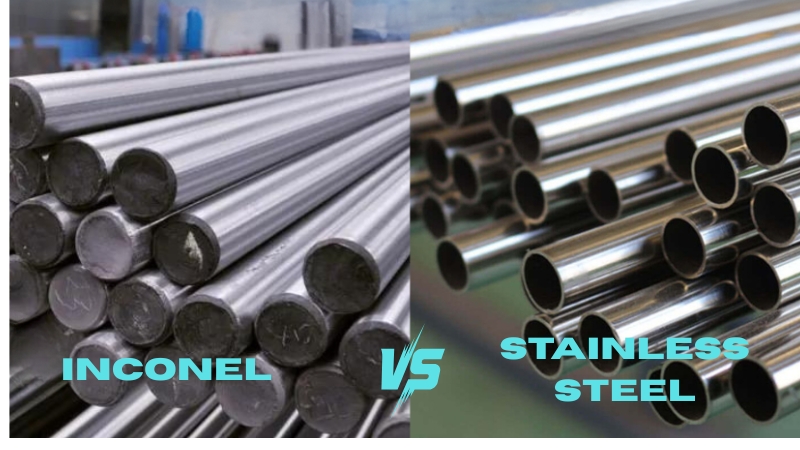
Stainless steel has a melting temperature of between 13701450 C which is comparable to Inconel. But you find Inconel better in high temperature. Its nickel-chromium alloy maintains strength and does not oxidize in the presence of intense heat. Stainless steel softens and loses load bearing capacity compared to Inconel which retains its integrity. You depend on Inconel with turbines, reactors and applications that need thermal stability.
Inconel vs. Titanium Alloys
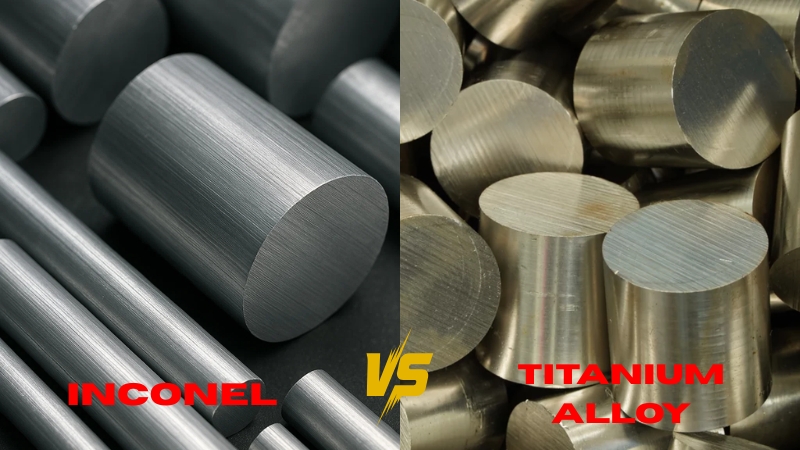
Titanium alloys are molten at c. 1668 o C, yet you must remember they become weak at very low temperatures. Conversely, Inconel maintains high tensile strength in high temperatures. Your advantage is a steady mechanical property in machining or handling parts in engines, aerospace parts, and chemical processing. Inconel is more reliable than titanium in most industrial applications in terms of thermal stress.
Inconel and Hastelloy vs. Monel
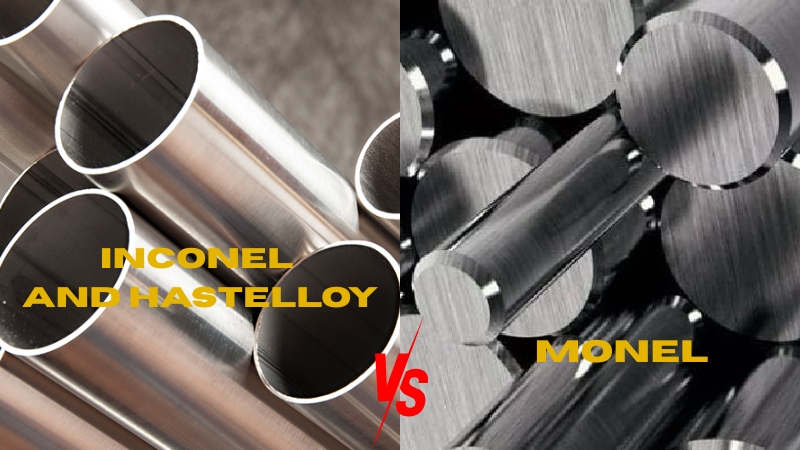
Hastelloy and Monel are high melting-point alloys, though their high temperature behavior is different. Hastelloy can be used in harsh chemical conditions, and Monel can be used in marine environments that are prone to corrosion. Where high temperature is needed together with oxidation resistance, however, Inconel is superior. You select Inconel when retention of strength and long-life in high-temperature conditions are more important than other alloy characteristics.
Industrial Importance of Inconel’s Melting Point
Aerospace Industry
You rely on the high melting point of Inconel jet engines, turbine blades and exhaust systems. It guarantees that components can withstand extreme temperatures, remain strong and behave in a consistent manner when used in long flight operations.
Turbines and Power Generation
You have a say in Inconel in gas turbines and nuclear reactors. Its melting point enables the blades and vanes to withstand deformation and oxidation by operation at high temperatures.
Heat Treatment and Chemical Processing Equipments
Inconel can be used in heat exchangers, furnace components and catalyst supports. Its melting point does not allow warping, corrosion, and structural failure in the continuous chemical processing.
Marine, Downhole Tools and Oil & Gas
You rely on Inconel in wells at high temperatures and in the sea. It has a high melting point that withstands chloride stress cracking and that is durable at extreme pressure.
Applications of Additive Manufacturing
Inconel can be used in 3D printing and laser sintering. Through its melting point, it stabilizes the melting pool, enhances the quality of prints, and preserves the dimensional accuracy during the additive manufacturing process.
Practical Considerations: Operating Temperatures vs. Melting Point
Safe Operating Temperature Limits
Manufacturing Inconel should not exceed a temperature that is less than 60-70% of the melting point. This margin guarantees long term performance. Aerospace and energy designs tend to put more restrictive limits to ensure structural integrity under strain. This helps avoid sudden failures and makes components strong and tough to endure long service in high temperatures.
Why Inconel Should Not Be Used Near Its Melting Range
You should not work under the melting range of Inconel since creep and microstructural degradation takes place. At extreme temperatures, the mechanical strength decreases considerably. Constant exposure may cause deformation faster and shorten the life of parts. Holding temperatures far below melting helps to avoid such failures and maintain the reliability of the material, particularly in the most important tasks such as turbines, reactor components, and high-pressure systems.
Fabrication Considerations
You are to consider welding and heat-influenced areas, which modify microstructure and local strength. Defects should be prevented by the careful regulation of temperature in hot working. The machinability reduces with higher temperatures, which leads to more wear of the tools and heat production. Careful planning of fabrication steps enables a high level of consistency in quality and dimensional performance without structural losses in high temperature service components.
Testing and Measuring Inconel Melting Point
Laboratory Techniques
Inconel melting point can be checked by measuring the exact laboratory methods. Differential Thermal Analysis (DTA) monitors the changes in heat flow to determine phase changes. Differential Scanning Calorimetry (DSC) involves the measurement of energy gained or lost on heating. The high-temperature microscopy enables you to monitor the changes in microstructures during the melting of the alloy, which gives you repeatable and precise results in terms of research and development.
Industrial Quality Control
In industry, you also guarantee the quality of Inconel by strict testing and certification. Alloy composition and performance is certified by material. ASTM and AMS compliance ensures consistency and reliability to critical applications. These measures can be used to check melting point, mechanical properties and corrosion resistance prior to using Inconel in any high temperature or harsh environment.
Summary and Key Takeaways
Knowledge on the melting point of Inconel is important in designing high temperature, high performance components. With a nickel chromium composition, it provides superior strength, oxidation resistance and thermal stability, although each grade fuses at a different rate. When you are aware of melting ranges, alloy behavior, and influencing factors, you are guaranteed of safe operation, reliable fabrication, and optimum performance in aerospace, power generation, chemical processing, and marine. Inconel is the best in extreme environments due to careful testing, quality control and good safe operating limits.
FAQs
Why does Inconel not have a melting temperature, but a melting range?
It is important to know that Inconel is an alloy and not a pure metal. Its various components have varying melting points. This forms a melting range, which enables softening rather than a sharp melting point.
Is weldability influenced by melting point?
Yes, welding behavior is affected by the wide melting range. Heat input is an aspect that you need to manage so that you do not crack or distort. Correct welding methods provide strong defect-free joints without affecting the integrity of Inconel.
Can Inconel be used at temperatures greater than 10000C?
Inconel can be used at very high temperatures (over 1000 0C) because it is strong at high temperature and resistant to oxidation. It is stable in the structure of turbines, reactors, and harsh industrial conditions.