
Inconel Machining Guide – Everything You Need to Know
Machining of Inconel is crucial in the manufacture of components that work in harsh conditions of heat, pressure and corrosion. In aerospace to nuclear systems, accuracy in machining promotes safety, reliability and long term performance. Inconel is a highly important material that must be learned in detail since its peculiarities have a direct impact on the tool life, price, and quality production. This article will take you through the introduction to what Inconel is, properties, machining difficulties, machining tools, grades, cost, industry applications, and tips of the trade on achieving successful and efficient machining. You will be able to get hands-on experience.
What is Inconel?
The Inconel is a line of nickel-chromium-based extreme service alloys. The key variations are Inconel 600, 625, and 718. The grades have a distinct combination of strength and corrosion resistance. The alloy is resistant to oxidation and chemical attack at high temperatures. Inconel offers superior strength and hardiness in the presence of harsh mechanical stresses. It can withstand high pressure and heavy thermal cycles. You should not overlook its good hardening of work and thermal resistance. You find it in aerospace, nuclear, chemical and marine components.
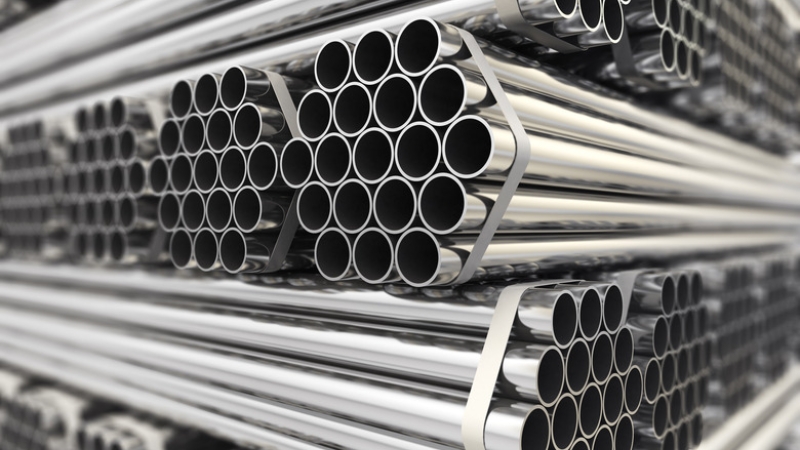
Inconel Machining – Is it Difficult to Machine?
Inconel machining is challenging since the alloy does not yield to heat, pressure and deformation. During cutting, you experience rapid hardening of the work, high cutting forces and severe tool wear. Inconel is not shearable at normal speeds when compared to steel or aluminum. The traditional metals enable quicker machining and reduced heat and tool life. Inconel requires lower speeds, stiff structures, sophisticated equipment and regulated cooling. You have to think out each cut.
Machinability Index
The Machinability Index AISI has rated Inconel at 12% that indicates its high resistance to cutting. The low is an indication that you have increased cutting forces, faster wearing of tools and decreased machining rates. Special tooling and controlled parameters need to be utilized to obtain consistent outcomes.
Factors Affecting Machinability
- Hardness and Work Hardening Rate: When you cut its surface Inconel hardens fast. This makes the passage more resistant each time. There are to be regular cuts that you need to keep. Dwell time increases the hardness and the tool stress dramatically.
- Cutting Force Requirements: Inconel requires substantially more cutting forces than steel or aluminum. Hardness withstands deformation of machining. You need rigid setups. Weak machines shake and diminish dimensional accuracy.
- Heat Formation During Machining: Inconel does not dissipate heat in the maching process; rather, it retains it at the cutting area. Large temperatures weaken tool edges. Surface finish decreases and tool life decreases rapidly without adequate cooling.
- Tool Wear and Workpiece Deflection: Extreme forces cut cutting edges more rapidly. The thin elements are deflected. You should manage the stability of tools and fixtures to maintain the geometry of parts.
- Chip Formation and Evacuation: Inconel is the source of tough continuous chips that are not easily broken. Bad evacuation of chip cuts material. Optimized tool geometry and flow of high-pressure coolant flow should be used.
- Machine Rigidity and Stability: Vibration and tool engagement are directly controlled by machine stiffness. Cutting stress is magnified by flexible machines. You have high-rigidity CNC systems with vibration damping.
Challenges in Machining Inconel
High Work Hardening Rate
When the cutting tool comes into contact with the surface of Inconel, it hardens rapidly. This abrupt hardness adds resistance to the next tool pass. You experience tool root wear and wavy cuts. You control this through sharp tools, continuous feeds, and continuous cutting motion.
High Cutting Forces and Tool Wear
The extreme toughness of Inconel requires a high cutting force in the machining process. These forces increase the rate of tool wear and coating loss. Carbide or ceramic tools are required on your part. Correct feeds and fixed systems enhance effectiveness and life of tools.
Heat Production During Cutting
Inconel does not deform easily and hence the heat concentrates at the cutting end. Heat build-up undermines tools and ruins surface finish. You should regulate temperature with high-pressure coolant systems. The effective cooling also avoids accumulation of edges and micro-cracking.
Possibility of Workpiece Deflection
Thin or unsupported Inconel parts can be bent by high machining forces. Deflection results in dimensional errors and vibration problems. You reduce this with hard fixtures and short tool overhangs. Balanced cutting loads ensure accuracy and quality on the surface.
Chip Control and Evacuation Problems
Inconel is used to make tough continuous chips that are wrapped around tools. Subpar evacuation of chips raises heat and ruins finish. You require streamlined chip breakers and in-house coolant supply. Clean chip flow is used to protect the tools and ensure consistent cutting behavior.
Surface Finish and Dimensional Stability
The strength and thermal characteristics of Inconel make it hard to cut. Surface finish is rapidly worsened by tool wear. You keep yourself steady by using controlled passes at feeds and fine finishing. Dimensional accuracy and integrity are also restored by post machining grinding.
Essential Tools for Effective Inconel Machining
Cutting Tools
You would require cutting tools that can withstand extreme heat and pressure. Tools of high positive rake angle carbide cutters minimise cutting forces, and restrict work hardening. TiAlN-coated tools are resistant to thermal damage and prolong the life of the tool. Optimized tool geometry enhances evacuation of the chip and eliminates re-cutting of the chip. An appropriate choice of tools directly enhances surface finish and stability of machining.
Coolants
During machining of Inconel, you will have to control heat. Emulsion coolants aid in dissipation of heat and in the protection of tool edges. The high-pressure coolants enhance chip removal and stabilize the temperature of cutting. Drills use internal coolant channels to provide direct coolant to the cutting area. This technique lessens thermal stress and regulates quick tool wear in deep drilling.
Optimization of Machining Parameters
To manage the heat production, you should cut more slowly. Correct feed rates ensure consistent contact of the tool and eliminate rubbing. The depth of cut should strike a balance between tool load and a quality of the surface finish. Work hardening is enhanced by light cuts and wear is enhanced by heavy cuts. Parameter optimization continuously cuts stable and guards both tool and workpiece.
Rigidity and Setup
You need to have a hard machining arrangement of Inconel. The hydraulic or shrink-fit tool holders are more stable. Workpiece clamping is secure and eliminates vibration and dimensional errors. Cutting forces are absorbed by high-rigidity CNC machines. A fixed installation enhances precision, increases the longevity of tools and promotes consistency in production.
Advanced Tips for Machining Inconel
Tool Wear Monitoring
During Inconel machining, you have to check cutting tools frequently. High cutting forces and high heat wear rapidly. Replacement will avert untimely tool failure and defective surface quality. Proactive monitoring also scrap and is used to control downtime and the general cost of production in high value machining productions.
Solutionized Metal machining
Solutionized Inconel is also easier to machine. Heat treatment produces a homogenous graining in the material. This design enhances breaking and stabilizes cutting forces of chips. It also results in better surface finish and longer tool life since there are fewer localized zones of hardness.
Continuous Cuts: Ceramic Cutting Tools
Ceramics cut optimally when the cut is prolonged and continuous. They withstand high heat compared to carbide tools. You are able to run cut at higher speed without quick cut edge break. They are more wear resistant, which makes their productivity higher and guarantees stable operation during continuous machining of Inconel.
Avoiding Peck Drilling
When machining Inconel, you should not peck drill it. Interrupted cutting favors the hardening of work in the hole. This intensifies the actions of drilling and tool wear. Rather, apply internal coolant drills, optimized feed rates and viable drill geometry to achieve stable chip evacuation.
Post-Machining Operations
You depend on grinding, honing, and polishing to hone Inconel components. Such processes enhance dimensional and surface integrity. Controlled finishing eliminates cutting stresses. Appropriate after machining processes guarantee strict tolerances, even surface and stable long-term performance of components.
Machining Specific Inconel Grades
Inconel 600
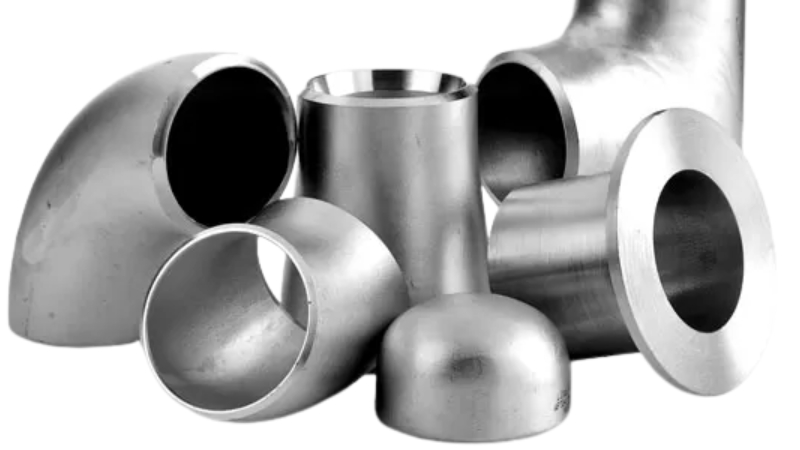
Inconel 600 is a nickel-chromium alloy with moderate contents of iron. It is a good corrosion and oxidation resistant material in high temperature conditions. It can be applied in chemical processing machines, heat exchangers, and aerospace structures. Machining Inconel 600 is a difficult process because it has the tendency to harden rapidly. Moderate cutting speed, sharp, coated carbide tools should be used. Constant feed rates and high pressure coolant will minimize heat and tool wear. The correct arrangement and stiffness are necessary to obtain correct dimensions and surface finish.
Inconel 625
Inconel 625 is an addition of molybdenum and niobium that increases corrosion resistance. It is used in marine, chemical and aerospace uses. To control heat and work hardening, you should use slower cutting speeds, rigid tooling, and coated carbide tools. Feed rate and chip evacuation optimization values are used to maintain machining stability and extend the tool life.
Inconel 718
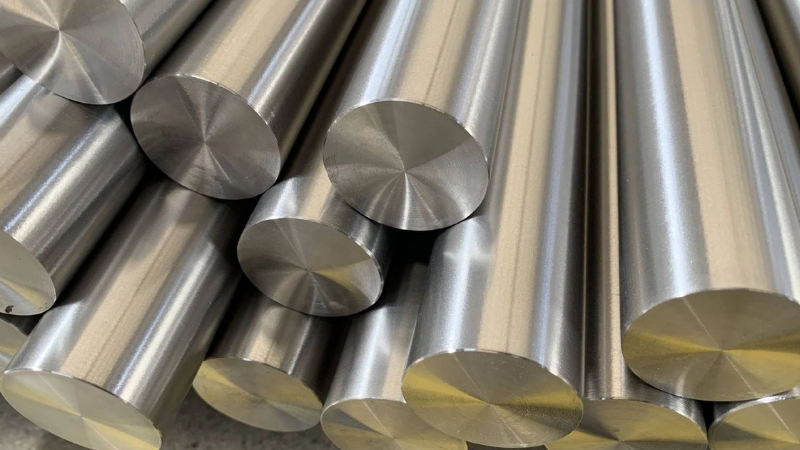
Inconel 718 provides strength at high temperatures appropriate in aerospace turbines and in aerospace cryogen tanks. You have to apply modern machining methods, such as ceramic inserts, solutionized metal, and continuous cutting strategies. Adequate cooling and decreased tool dwell minimize work hardening and provide surface integrity.
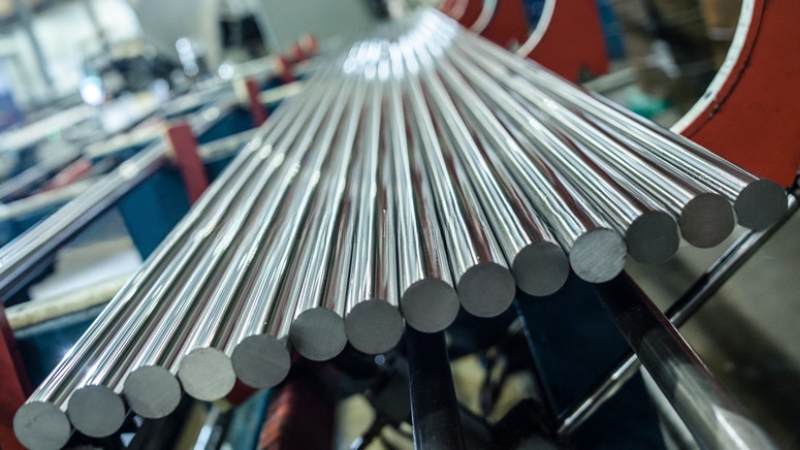
Property / Grade | Inconel 600 | Inconel 625 | Inconel 718 |
Corrosion Resistance | High | Very High | High |
Heat Resistance | High | High | Very High |
Strength | Moderate | High | Very High |
Machinability | Moderate | Low | Very Low |
Common Applications | Chemical, Aerospace | Marine, Chemical, Aerospace | Aerospace Turbines, Cryogenic Tanks |
Applications Across Industries
- Aerospace: Inconel finds application in the exhaust system, turbine blades, and thrust reversers. The high-temperature performance of this depends on you to ensure engine efficiency and safety in long-range flights. It has a corrosion resistance which provides performance in oxidizing conditions.
- Automotive: Inconel is used in turbochargers and exhaust system of high performance due to durability and thermal stability. You are enjoying a longer design life, better engine performance, and increased life of components under severe driving conditions.
- Oil and Gas: Downhole tubing and other essential components such as valves are manufactured using inconel. You acquire better resistance to high pressure, corrosive and high temperature conditions in oil wells and offshore installations.
- Power Generation: Gas turbines, rotor blades, and other important components use Inconel. You also get reliable energy output in components that can withstand their structure under constant heat and pressure.
- Chemical Processing: Reactors, containment vessels and piping systems rely on Inconel. You safeguard equipment against aggressive chemicals, oxidation and thermal cycling, and provide safe and efficient operations.
- Marine: Inconel is used to make propulsion system, submarine parts, and structural parts. You have the advantages of corrosion resistance in seawater, as well as mechanical stability in circumstances of high pressure under water.
- Medical Devices: Inconel is used as medical equipment such as surgical tools, dental equipment, and implants due to accuracy and sterilization ability. You guarantee patient safety with wear-resistant and corrosion-resistant and cleanable components.
- Nuclear: Control rods, cores, and other related parts are based on Inconel. You will keep nuclear safe by having materials which resist upward stroke(radiation and heat) and backward strike (chemical) during extended service life.
Machining Costs of Inconel
Inconel is more expensive to machine because it is remarkably hard and work hardens quickly. You have to employ high-end cutting tools that can resist heat and wear and this increases the tooling costs. To ensure that the surface quality is maintained and tool failure is prevented, slower machining speeds are used and longer cycle times are required. You also need special equipment and hard systems to deal with high cutting forces and avoid deflection of workpieces. Being aware of these factors enables you to plan budgets and machine efficiently.
Comparative Analysis
Material | Machinability | Tool Wear Rate | Cutting Speed | Surface Finish | Relative Cost | Performance Benefits |
Aluminum | Very High | Low | High | Excellent | Low | Lightweight, easy to machine |
Steel | Moderate | Moderate | Medium | Good | Medium | Strong, versatile for general applications |
Titanium | Low | High | Low | Good | High | High strength-to-weight ratio, corrosion-resistant |
Inconel | Very Low | Very High | Very Low | Excellent | Very High | Extreme heat, corrosion, and mechanical stress resistance |
Inconel Machining Services – Choosing a Service Provider
Key Considerations
Technological Capability
Make sure that the provider has new CNC equipment to machine Inconel. You acquire accurate control of more complicated geometries and minute tolerances. Proficient operators utilize the full potential of the machines minimizing errors and scraps during the production.
Industry Experience
Select suppliers having aerospace, marine, or chemical expertise. They know the high standards and specialized procedures which is beneficial to you. Trained teams expect machining issues, reduced delays and material wastages.
Quality Assurance
Choose services that provide CMM inspection and XRF analysis of Inconel parts. You assure accuracy of components, material composition, and surface integrity. Quality checks that are reliable minimize defects, rework and production downtimes.
Production Flexibility
Select suppliers who can manage prototyping and full scale production runs. You also obtain flexibility in operation, allowing design changes, or changes of volume. This guarantees a smooth scaling process with no supplier change or delays.
Delivery and Turnaround
Use services that offer rapid and reliable delivery times of Inconel parts. You deliver demanding project schedules effectively. Fast delivery reduces waiting time and allows the production process to go round.
Example: CNCSwissMasion
CNCSwissMasion simplifies your machine work with an online-based ordering and direct quoting platform. It is easy to submit designs and get quick quotations. They have a well-equipped facility, with HAAS CNC machines, Hexagon CMM, and Olympus XRF, among others, used in the cutting and measurement of materials, respectively. The advantages of having rigid quality control, a high tolerance level, and a dependable quick delivery system are to your advantage, as your parts are up to standard and delivered punctually.
Conclusion
Finally, Inconel is the most powerful, resistant to corrosion, and high-temperature material, so it is necessary in industries with severe needs. Its machining is challenged by special issues like rapid work hardening, large cutting forces, and thermal stress. Achieving success demands correct tooling, optimal parameters, stiff arrangements, and progressive cooling solutions. Collaboration with skilled service providers guarantees accuracy, quality and timeliness. When you know the properties and machining methods of Inconel, you can maximize the performance benefits of this material in the challenging aerospace, marine, chemical, and energy industry.
FAQs
Which are the best coolants to use in machining Inconel alloys?
To handle the heat, you should employ the use of high-pressure emulsion coolants or synthetic fluids. Internal coolant helps to increase the rate of chip removal and can minimize tool wear. Effective cooling inhibits work hardening and enhances uniform surface finish.
What is the average life of a cutting tool used to machine Inconel?
The life of the tool is short compared to steel or aluminum, in continuous cutting it may only take a few hours. To be able to maximize performance, you need to watch wear often, change edges proactively, and maintain correct cutting speeds.
What is the difference between machining Inconel and other nickel-based alloys?
Inconel hardens faster and it is more resistant to deformation than most nickel alloys. To avoid premature tools life, increased rigidity, and special tools are required to maintain dimensional accuracy.
Which surface finishing method are best on Inconel components?
Grinding, honing and Polishing provide optimal dimensional and surface integrity. You are to use controlled pressures and cooling to prevent heat damage and obtain finished, smooth and precise finishes.