
Medical Micro Machining: CNC Technology Driving Healthcare Innovations
Medical micromachining is the answer to manufacturing very small, precise, and consistent medical parts. Manufacturers face challenges with tight tolerances, difficult materials, burr control, tool wear, and inspection requirements. With the knowledge of what medical micromachining entails, teams can make informed decisions on appropriate processes, materials, and quality controls. This article covers CNC techniques, applications, materials, and the challenges and innovations driving medical device manufacturing. You will also learn how Masion helps to manufacture precision medical parts.
What is medical micromachining?
Specialized manufacturing of parts at the micrometer or sub-micrometer level. Extremely tight tolerances, often as small as ±0.0001″, are required to ensure the proper functioning of the device and patient safety. Depending on the scope of the medical manufacturer’s certification and operations, medical manufacturers can adopt ISO 9001 and ISO 13485 quality-management standards. Once you understand what medical micromachining is, you will know how precision manufacturing is involved in reliable and complex medical devices.
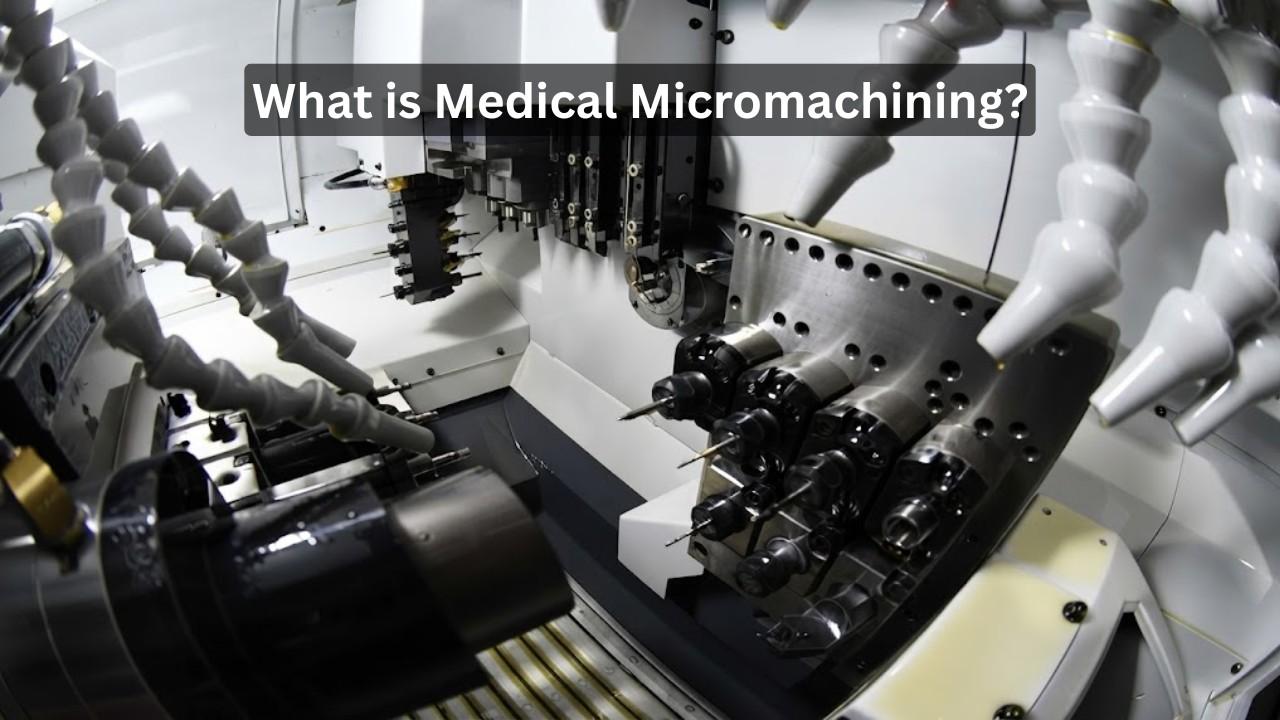
Why does medical CNC machining matter in modern healthcare?
Today, medical CNC machining can be used to produce smaller and more intricate parts for ever more compact modern medical devices. It provides precision for instruments that are used for minimally invasive surgery, allowing doctors to reach small anatomical areas with smaller and more controlled parts. Machined micro components are also used in diagnostic systems, implants and other applications where precise interfaces and dependable operation are required. Medical technology is continually advancing and, in order to fit all the components together correctly and for them to function effectively, you require a consistent dimensional accuracy.
Core techniques used in CNC medical parts manufacturing
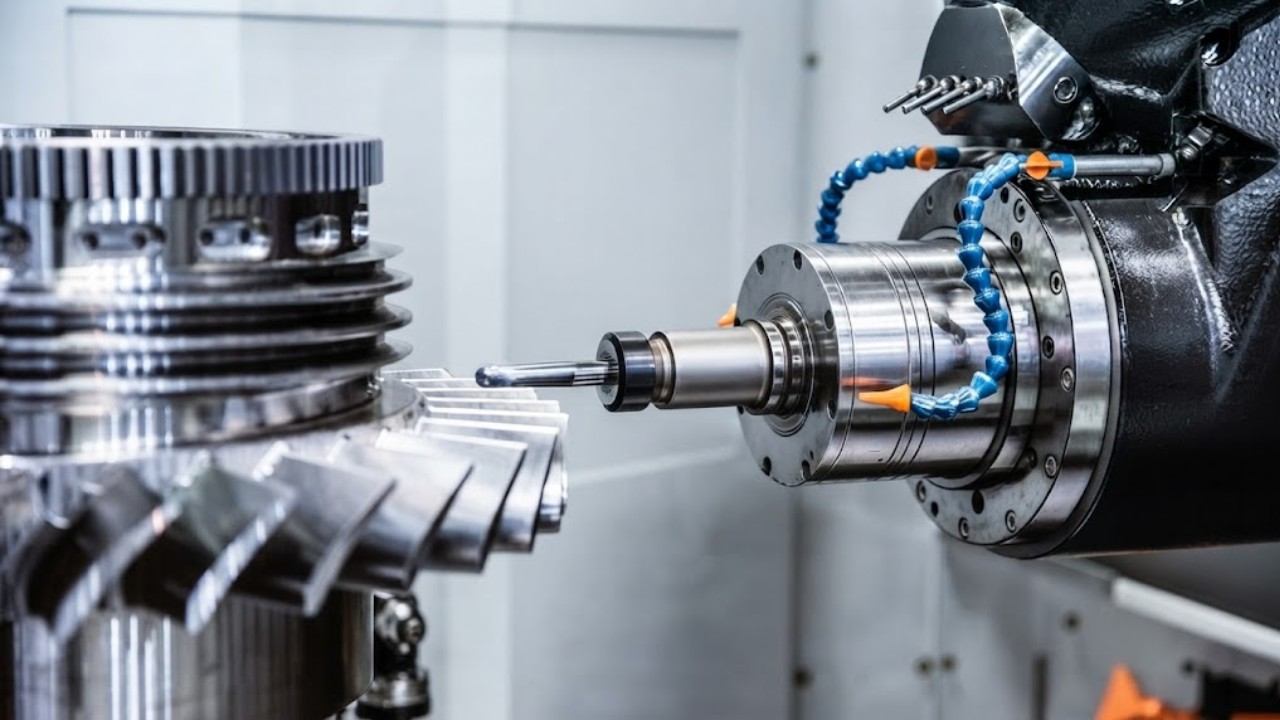
Micro CNC milling & turning
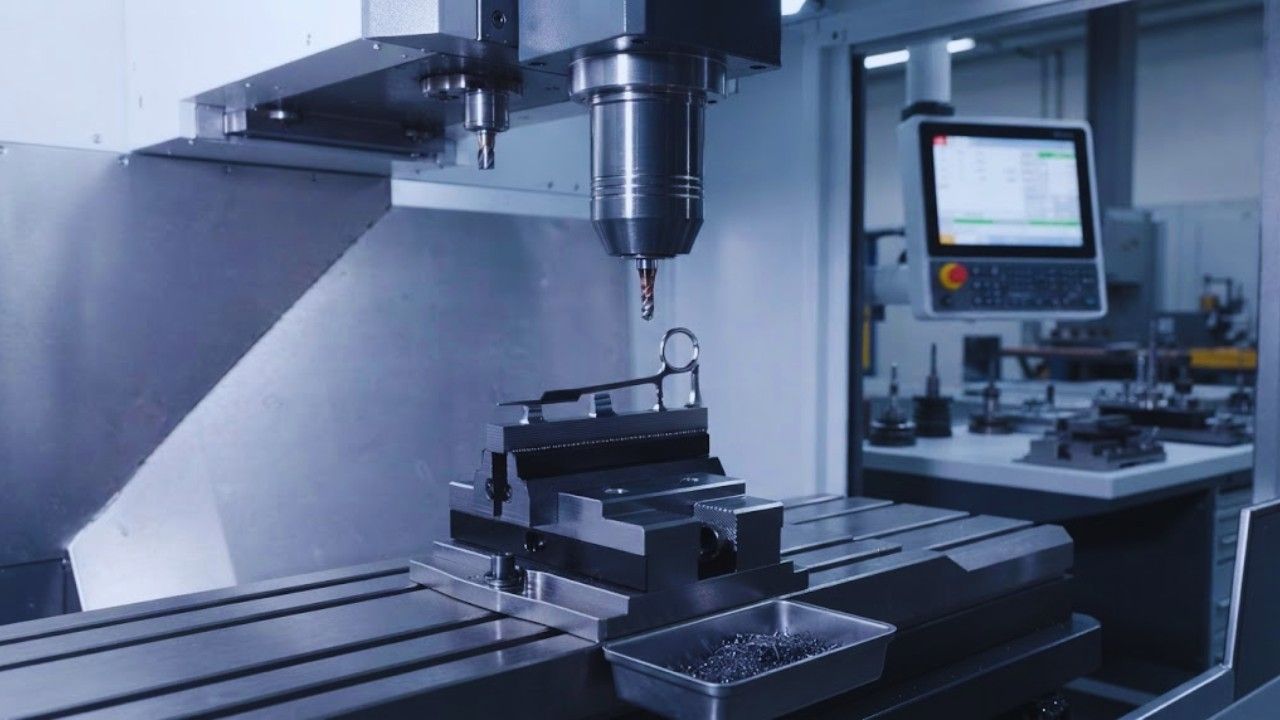
Medical components, bone plates and tiny screws are manufactured using ultra-precision multi-axis CNC milling and turning. The processes ensure tolerances and deal with complex and accurate geometries as well as biocompatible materials. Hence, the micro machining in the medical industry ensures reliable components for challenging medical applications such as surgery and implantable applications.
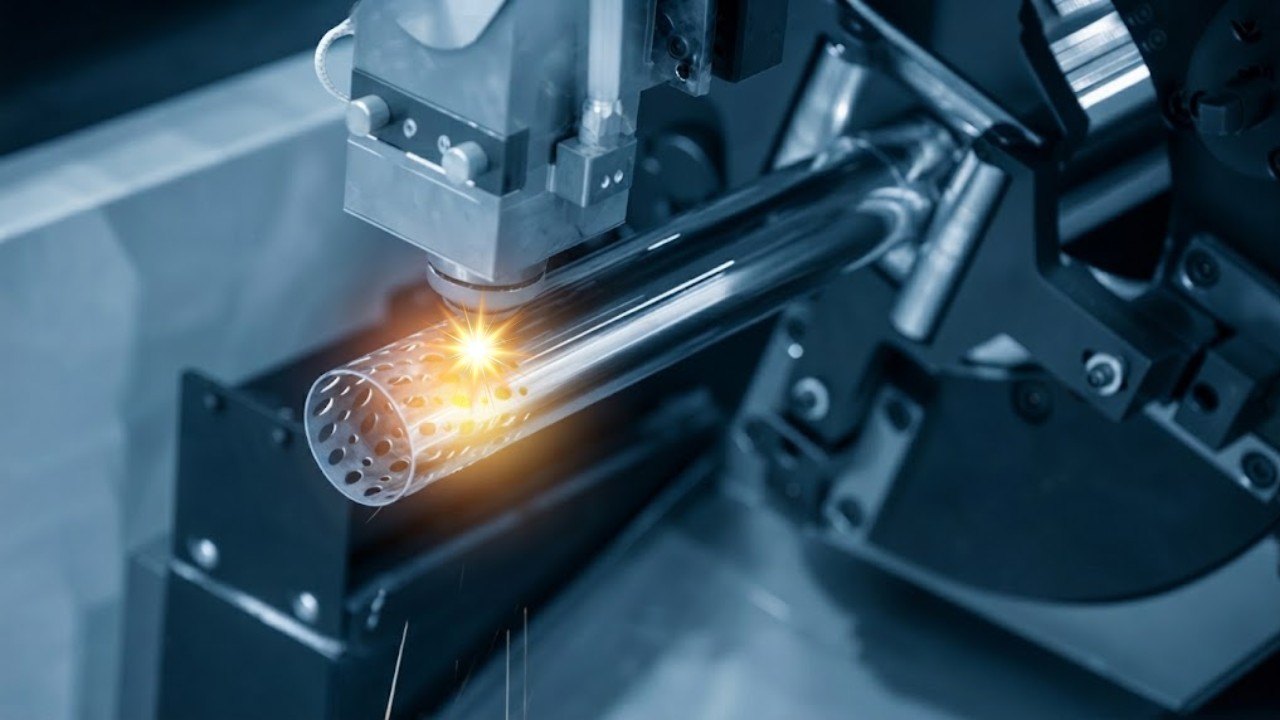
Laser micromachining
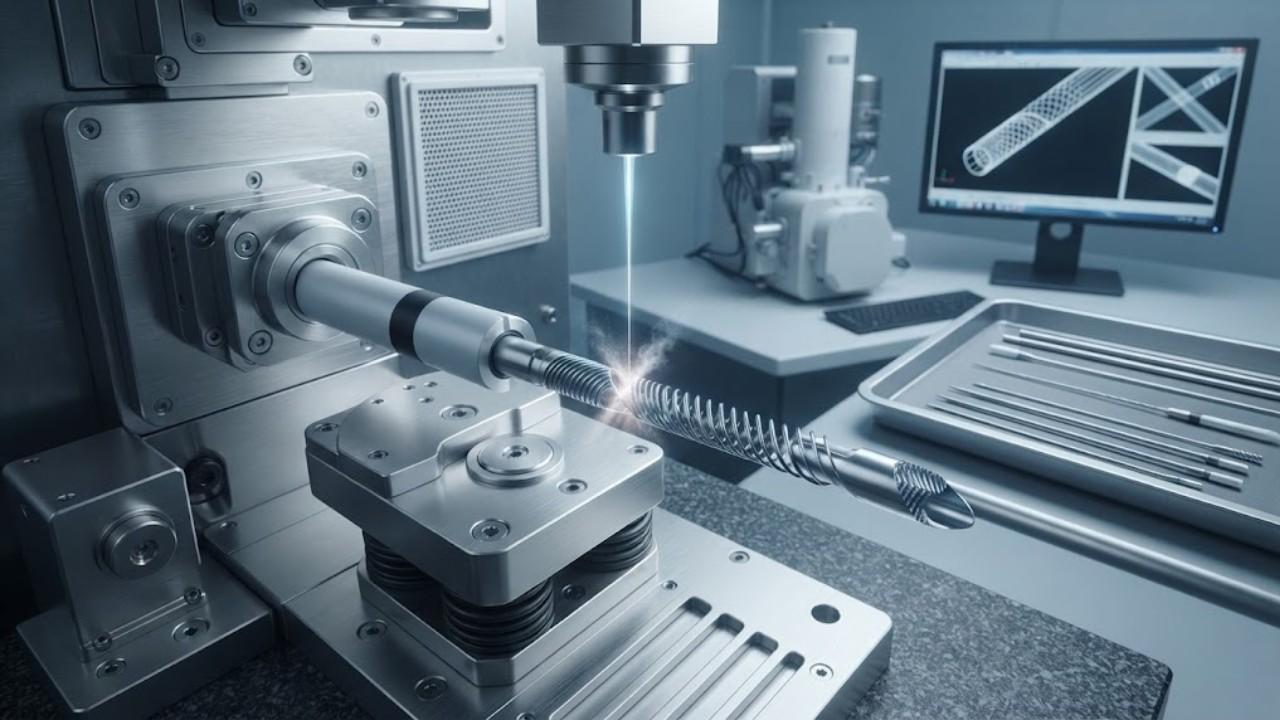
Medical technology laser micromachining encompasses applications for cutting, ablating and permanent marking procedures. It can process metals, polymers and ceramics with little burr and heat distortion. Laser marking offers long-lasting traceability, enabling identification and regulatory compliance throughout the medical device lifecycle.
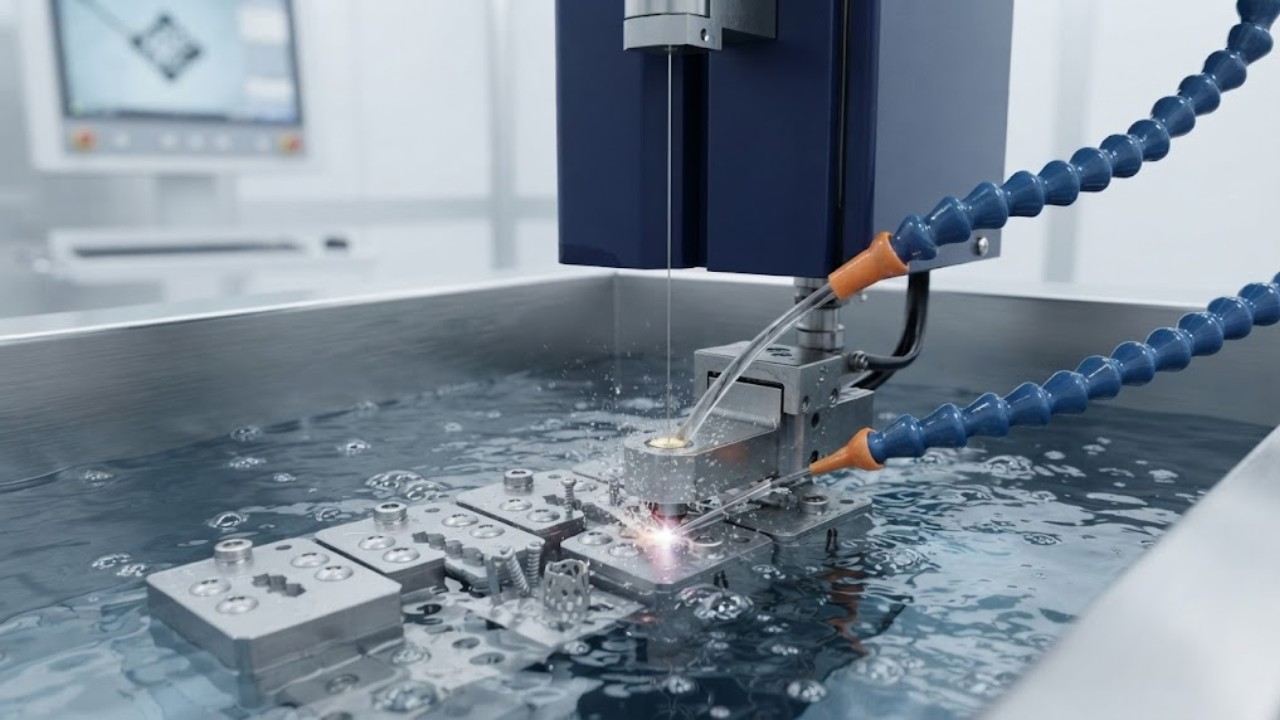
Micro electro-discharge machining (Micro-EDM)
Micro-EDM is a process used to form conductive hard-to-machine materials using controlled electrical discharges between electrodes and workpieces. This technique is appropriate for parts of titanium and stainless steel that have complex features and tolerances. Therefore, it is used by manufacturers for neurosurgical devices, implantable devices and small medical parts.
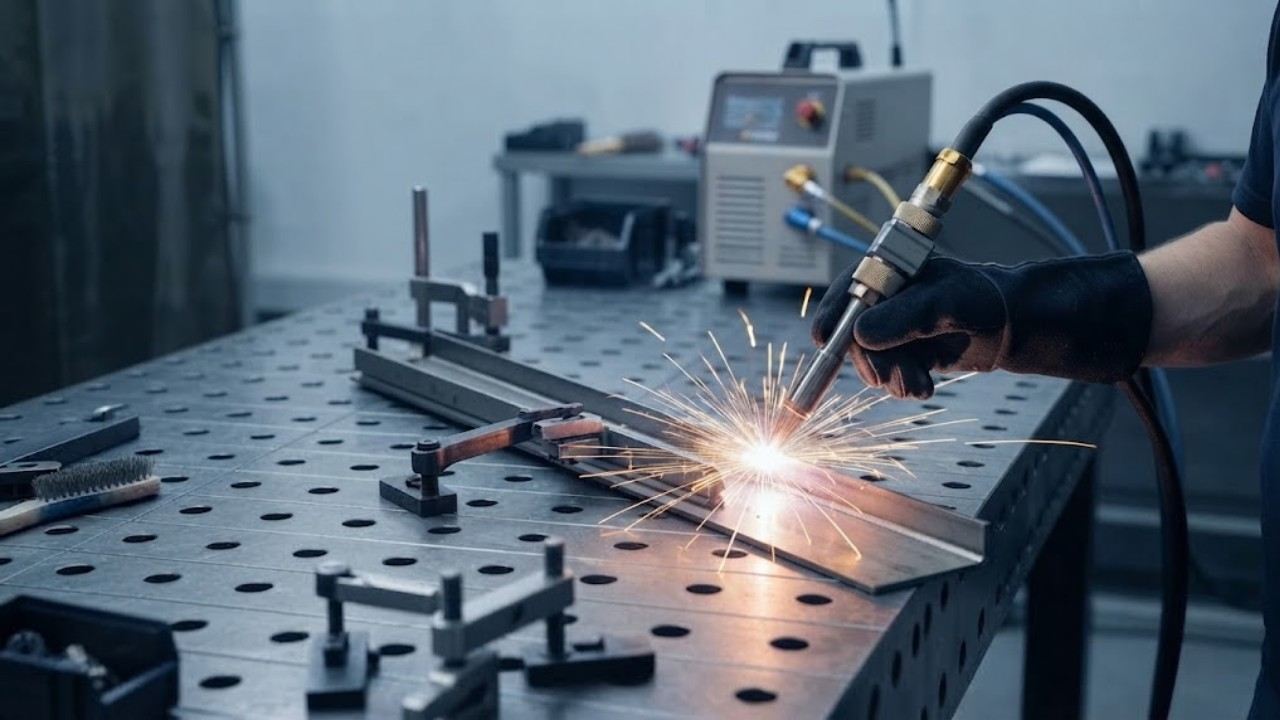
Micro laser welding
Micro laser welding is a tool-free joining method which can minimize the contamination of the mini parts assembly. It delivers concentrated energy to form accurate welds while minimizing heat exposure and distortion of the components. It is ideal for implantable devices, microsurgical tools, and medical assemblies where clean connections are essential.
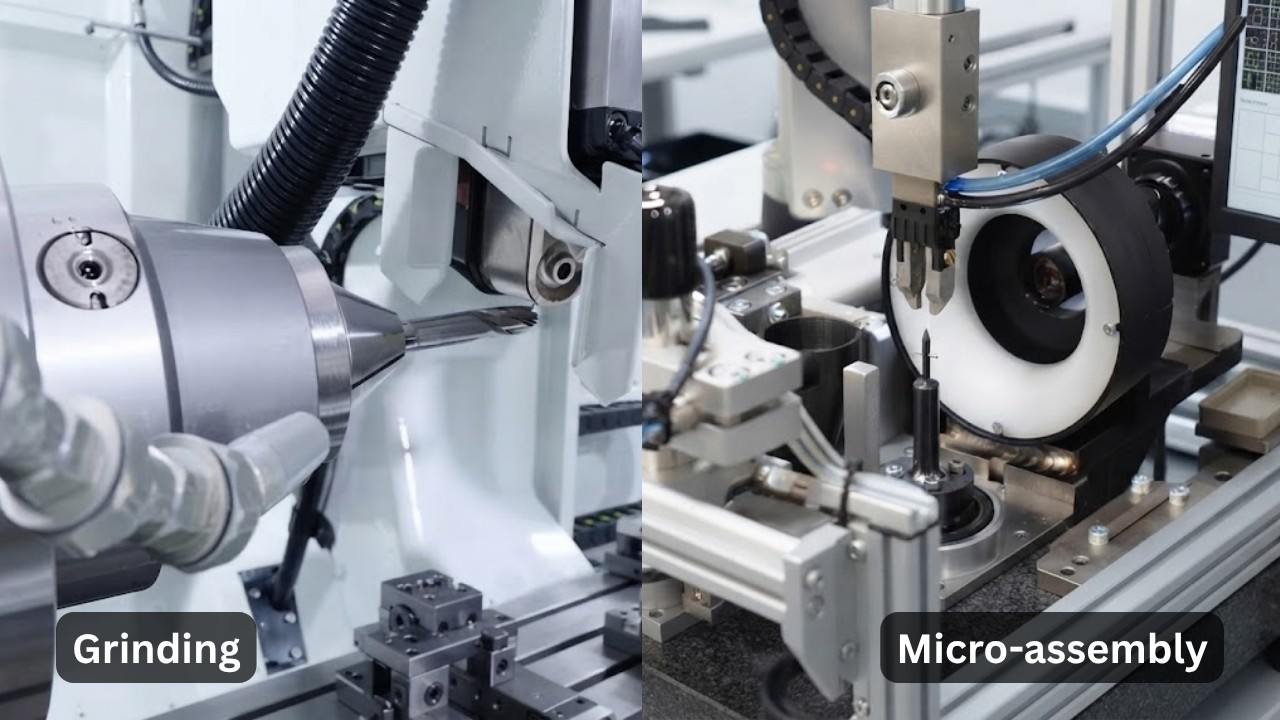
Ultra-precision grinding & micro-assembly
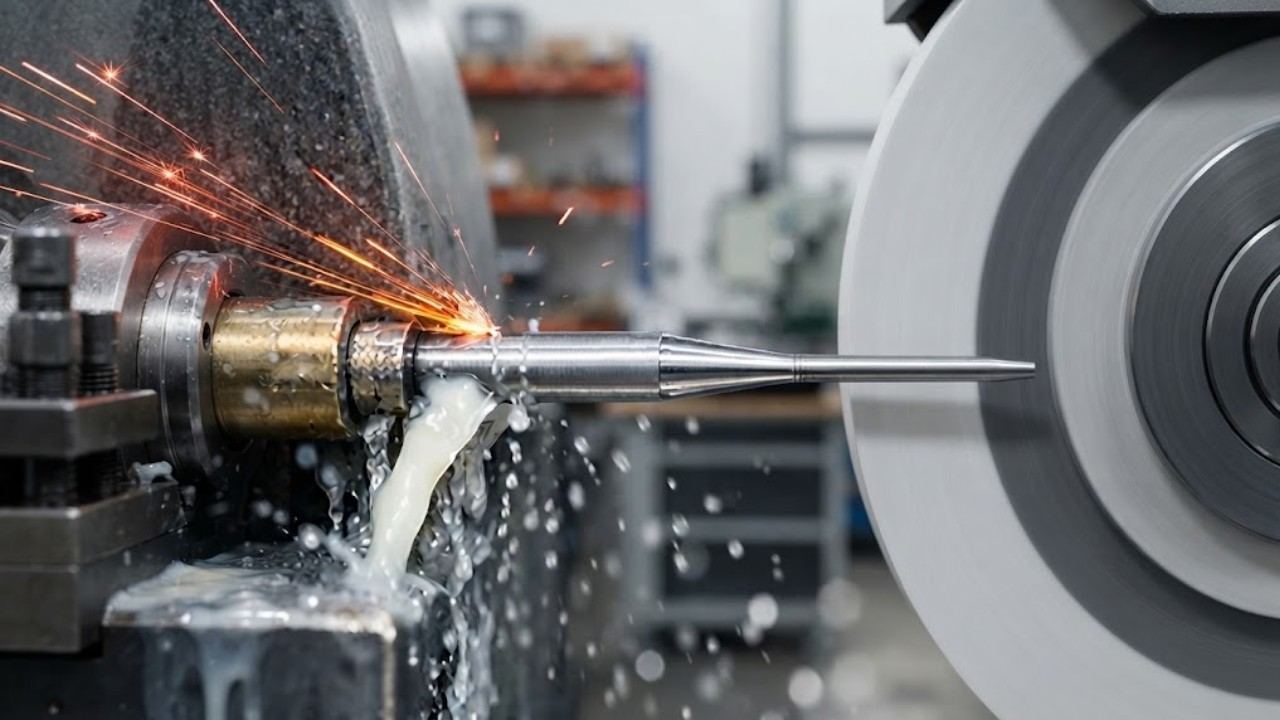
Ultra-precision grinding provides smooth surfaces that help to keep medical devices running, clean and performing. Micro-assembly involves the careful assembly of small parts while managing alignment, tolerances, handling and possible damage. These stages work together to create precisely functioning medical devices from individually machined parts.
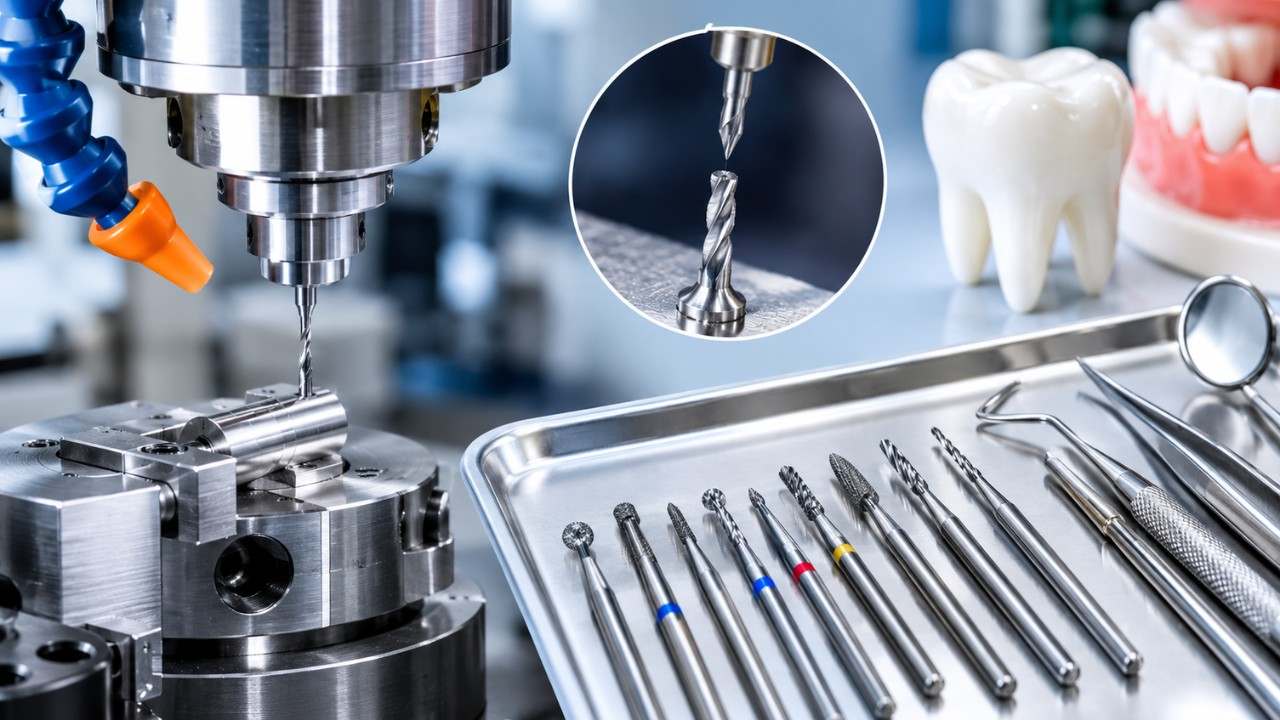
Applications of Micro Machining in Medical Industry
- Dental: Micromachining is used to manufacture dental implants and other surgical tools to fit the individual. Fine features can be produced, and material removal can be controlled with laser processing.
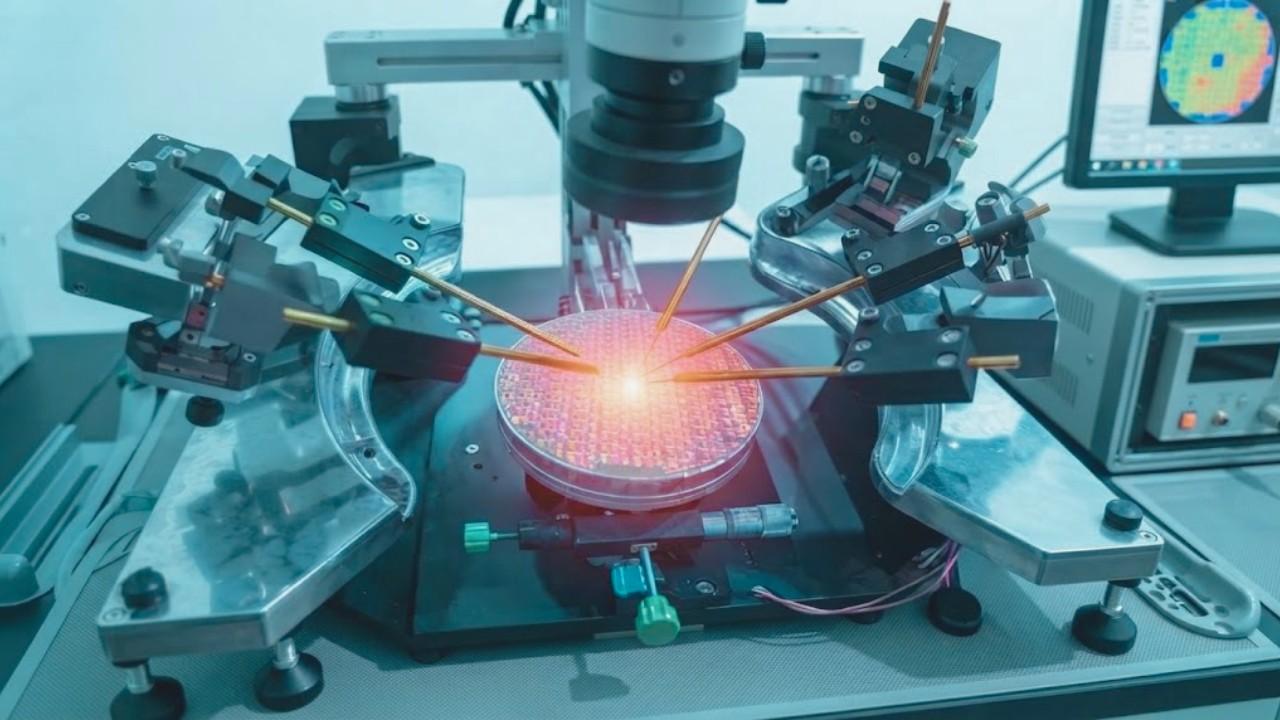
- Diagnostics & lab-on-a-chip: Microfluidic channels for small diagnostic devices are produced by micromachining. These channels enable small volumes of fluid to be directed for fast point-of-care testing.
- Surgical instruments: Micromachining is used to create small scissors, forceps, and clamps for use in minimally invasive surgery. Controlled handling in confined surgical spaces with precise features.
- Catheters & guidewires: Micromachining can be used to create thin, flexible components for guidewires and catheters. These components are used for navigation in angioplasty, endoscopy and other minimally invasive procedures.
Micromachining is very useful in cardiology, orthopaedics, and ophthalmology, where it is used to manufacture miniature parts like stents and pacemaker components, heart valve components, micro screws, bone fixation devices, spinal implants, intraocular lens components, and microsurgical forceps. Tight dimensions, smooth surfaces, mechanical reliability and biocompatible materials are essential for these applications to ensure a good fit, controlled function and safe operation in demanding medical procedures.
The Role of CNC Machining in Medical Device Manufacturing
CNC machining is used in conjunction with micromachining when medical parts need to be strong but also need to have tolerances and features at the micro level. CNC machining for medical devices is also repeatable for complex geometries with milling, turning, 5-axis, and Swiss-type turning. Other materials that are suitable for CNC machining of medical devices include titanium, stainless steel, nitinol, and engineering plastics. ISO 13485 practices and traceability, as well as PPAP-style documentation, are part of quality and compliance for medical instrument machining and CNC medical parts manufacturing.
Materials Commonly Used in Medical Micro Machining
In medical micro machining, the choice of materials directly influences the performance, durability, and safety of the application. You have the option of using titanium for biocompatibility, strength and an excellent strength-to-weight ratio. Nitinol offers flexibility, shape memory and excellent corrosion resistance for specialised devices. Stainless steel is durable, corrosion-resistant, and reliable in mechanical performance. For instruments that need to withstand high wear, synthetic sapphire and ceramics will offer the highest hardness and wear resistance. Biocompatible polymers provide lightweight construction and biocompatibility for specific medical components.
Major challenges in medical micro machining
- Tight tolerances and small features: Even slight changes in dimensions can impact the performance of a component, as features are reduced. It is also more difficult to maintain consistency among repeated parts.
- Tool wear and breakage: Very small cutting tools are susceptible to the machining conditions and unexpected loads. Failure rate is minimized by proper cutting parameters and regular tool monitoring.
- Material behaviour: Hard, tough, or heat-sensitive materials can complicate micro machining. Specific cutting parameters, tooling and machining strategies are required for different materials.
- Surface finish and control of burrs: Small burrs can have a major impact on the performance of miniature medical components and their assembly. Appropriate finishing and deburring techniques ensure adequate surface quality.
- Micro-scale inspection: Conventional measurement techniques may not be sufficiently resolved for the minute features. Reliable dimensional verification is achieved by suitable inspection equipment and validated measurement processes.
- Cleanliness and contamination control: Medical components often need to undergo controlled handling and good cleaning processes. There are different standards of cleanliness depending on application and customer requirements.
Medical micro machining in device innovation
Medical micro machining allows you to create ever smaller and more capable devices for minimally invasive procedures and diagnostics. The precision parts manufactured by laser micromachining and CNC machining in the medical field enhance the accuracy of diagnosis and the effectiveness of treatment. Machining can be used in conjunction with micro welding and micro over molding to produce complex assemblies with consistent miniature connections and protection structures. These developments decrease incision size, patient trauma and recovery time and improve surgical outcomes. In the end, miniaturization is directly linked to better care for the patient, thanks to manufacturing innovations.
Masion – Leading CNC machining parts manufacturer in China
Proven capability, certifications and manufacturing experience are some of the factors to look for when selecting a CNC machining partner. Masion has been a Ningbo, Zhejiang-based company since 2004, with employees of 125+ and a size of 5,000 m². It has manufactured and delivered 7M+ parts to 2,000+ customers. Certifications include ISO 9001:2015, ISO 16949, and ISO 14001, with ISO 13485 available on request. It can be used for 5-axis machining, milling, turning, Swiss machining, micromachining and precision grinding.
Why choose Masion for medical micro machined parts?
- Take advantage of over 20 years of experience in precision CNC. It can be used for medical micro components, which have tight tolerances.
- Receive in-house DFM support prior to production. This assists in optimising the design of micro parts to be produced in practice.
- Take advantage of proven quality control experience with world-renowned brands. This helps to ensure uniform production of medical parts.
- Facilitate ISO 13485 certification support as needed. This offers a versatile route for medical conformity requirements.
- Streamline sourcing with end-to-end production services. The sampling and mass production remain in a single supply chain.
Conclusion
Medical micro machining is crucial for manufacturing miniature and precise parts for the latest medical devices, implants, diagnostics, and surgical tools. Key manufacturing processes such as advanced CNC milling, turning, laser processing, grinding, and micro-assembly enable manufacturers to meet critical tolerances, surface finishes, and material specifications. With medical devices continually shrinking in size and increasing in complexity, working with an experienced precision manufacturer like Masion can help ensure that quality, production, and the strictest specifications of medical micro machining projects are maintained.
FAQs
What are the benefits of CNC medical parts manufacturing for OEMs?
CNC medical parts manufacturing enables OEMs to attain tight tolerances, constant quality, and dependable healthcare device manufacturing. CNC machines produce complex shapes with less error and repeatable results throughout the production process. They can be used to process titanium, stainless steel, cobalt-chrome, PEEK and UHMWPE, and digital tracking ensures traceability and scalable production operations.
How much does medical CNC machining typically cost for small batches?
The typical price range for small batch medical CNC machining is $80 per hour to $250 per hour, depending on the equipment and complexity. The cost of individual parts can range from $75 to $500 or more, which includes programming, set-up, materials, and inspections. Small quantities can be costly if additional processes such as 5-axis machining, Swiss turning, compliance documentation, tooling and quality checks are required.
What materials can be used for CNC machining medical components?
Medical CNC machining can be used for tough medical components and devices, including titanium, stainless steel, aluminum, and cobalt-chrome materials. PEEK, UHMWPE, polycarbonate and acetal are some common plastics with varying performance properties for specific uses. Titanium is used for implants, stainless steel for surgical tools and PEEK for chemical resistance.
What role does CAD play in CNC machining medical devices?
CAD ensures the accuracy of the digital model that is used to manufacture medical devices and components using CNC. CAD is used to create patient-specific components, surgical instruments, and implants from anatomical data, which are then designed by engineers. CAD is linked to CAM software to enable simulations, controlled toolpaths, accurate measurements and consistent manufacturing during production.
What affects lead times for CNC machining medical parts?
The lead time of medical CNC machining is related to the material used, geometry, inspection, finishing, and production quantity. If the material is a rare grade such as Titanium or Cobalt-Chrome, sourcing, certifications, and documentation may need to be completed prior to the start of machining. Schedules can be longer for combinations of tight tolerances, multi-axis programming, FAI, traceability records, passivation, polishing, coatings, and finishing steps.